

Step-by-Step Guide to Paying Off Credit Card Debt (Without Feeling Overwhelmed)
1. Introduction (50 words)
Credit card debt can feel like carrying a backpack full of bricks—heavy, stressful, and hard to ignore. The good news? You can take it off, one brick at a time. This step-by-step guide will help you understand your debt, choose a credit card payoff strategy, and build habits that keep you debt-free.
2. What Is Credit Card Debt? (200 words)
Credit card debt is what happens when you buy things with a credit card and don’t pay the full balance by the due date. Whatever you don’t pay becomes a balance that rolls over to the next month. Then the card company adds interest—basically a “rent fee” for borrowing their money.
That interest is why credit card debt can grow quickly. Many cards have high interest rates, so even small balances can snowball over time.
Credit card debt usually doesn’t start with one big mistake. It often builds from everyday life:
- Overspending: swiping for small things—takeout, shopping, subscriptions—until it adds up.
- Emergencies: car repairs, medical bills, last-minute travel, or helping family.
- Poor budgeting: not knowing where money goes, so the card becomes a backup plan.
- Income gaps: job changes, reduced hours, or unexpected expenses.
Think of credit cards like a power tool. Used carefully, they’re helpful. Used without a plan, they can cause damage fast. The goal isn’t to feel guilty—it’s to get clear, get organized, and start moving forward.
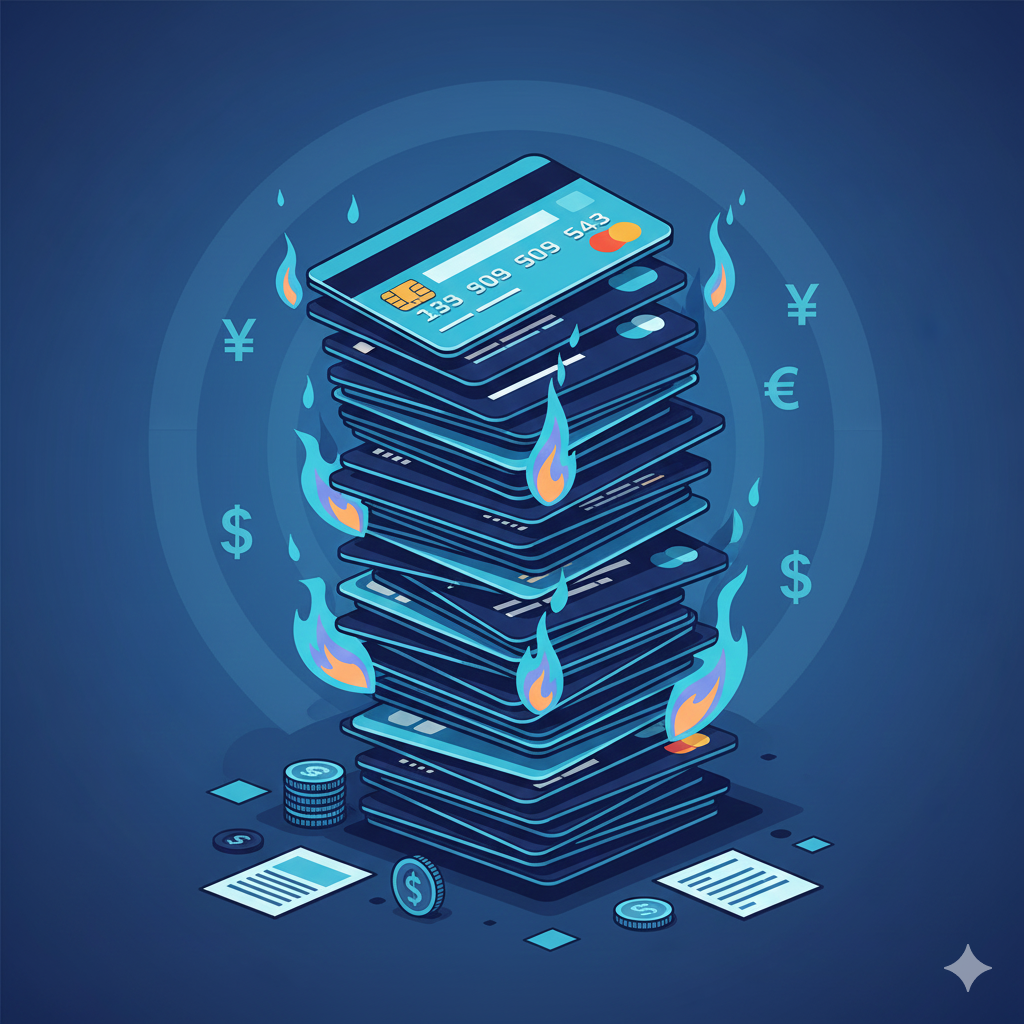
3. Why Paying Off Credit Card Debt Matters (250 words)
Paying off credit card debt is about more than money. It’s about breathing room.
Better financial health and peace of mind
Debt creates pressure. Even when life looks normal from the outside, debt can cause constant “background stress,” like having a phone notification you can’t clear. Paying it down reduces that mental load. You stop worrying about due dates, surprise fees, and balances that don’t seem to move.
Credit score impact
Credit cards affect your credit score in a few big ways:
- Payment history (making on-time payments)
- Credit utilization (how much of your available credit you’re using)
High balances can push your utilization up, which can hurt your score. Lower balances can improve it. A better score can make it easier to qualify for better rates on loans, rent an apartment, or even pass certain job background checks.
Less money lost to interest and fees
Interest is the silent budget thief. If you’re carrying debt, some of your payment goes to interest—not the balance. That means progress feels slow. When you pay off the debt, that money stays in your pocket. No more “paying extra” just for the privilege of owing.
Bottom line: paying off credit card debt gives you more control, more options, and more peace.
4. Assess Your Debt Situation (300 words)
Before you can build a plan, you need a clear snapshot of where you stand. Think of this like opening your phone map before a road trip. You can’t pick the best route if you don’t know your starting point.
4.1 List all credit cards and outstanding balances
Grab your credit card statements or log into your accounts. Make a simple list:
- Card name (or bank)
- Current balance
- Credit limit
If you have store cards, “buy now pay later,” or any revolving credit lines, include them too. Debt likes to hide in corners—shine a light on everything.
4.2 Note interest rates and minimum payments
Next to each card, write:
- APR (interest rate)
- Minimum monthly payment
- Payment due date
This helps you see which cards are the most expensive to carry and which ones could cause late fees if you forget them.
4.3 Calculate total debt and monthly obligations
Now add it up:
- Total credit card debt (all balances combined)
- Total minimum payments (all minimums combined)
That second number matters a lot because it tells you the baseline amount you must pay each month to stay current.
If you want extra support setting up a clear picture of your finances—income, expenses, and obligations—this guide on how to manage money can help you build that foundation. It makes the “where is my money going?” part much easier.
Once you’ve assessed your debt, you’re not guessing anymore—you’re working with facts. And facts lead to better decisions.
5. Set Clear Financial Goals (250 words)
A payoff plan works best when it has a target. Without a goal, debt payoff can feel like running on a treadmill—lots of effort, not enough progress.
5.1 Define a target payoff date
Pick a realistic payoff timeline. For example:
- “Pay off Card A in 6 months”
- “Become credit card debt-free in 24 months”
Your payoff date doesn’t have to be perfect. It’s a direction, not a prison sentence.
5.2 Determine monthly payment limits
Look at your budget and decide how much you can put toward debt each month above minimum payments. Even an extra €25–€50 can make a real difference over time.
Be honest here. A plan you can follow is better than a plan that looks impressive on paper but collapses after two weeks.
5.3 Prioritize high-interest debts
High-interest debt is like a leaky bucket. The longer you wait, the more money drips out as interest. If you want to reduce the total cost of debt, your plan should usually target the highest APR first—more on this in the strategy section.
If you want help building stronger spending priorities while setting payoff goals, these money management tips can make the goal-setting step feel more doable and less stressful.
6. Choose a Repayment Strategy (400 words)
Your credit card payoff strategy is the engine of your plan. The best strategy is the one you’ll actually stick with. Here are the most common (and effective) methods.
6.1 Debt Snowball Method (smallest balance first)
With the debt snowball, you:
- Pay minimums on all cards
- Put extra money toward the card with the smallest balance
- Once it’s paid off, roll that payment into the next smallest balance
Why it works: quick wins build motivation. It’s like cleaning a messy room by starting with the easiest corner. Seeing progress fast can help you stay consistent.
Best for: people who need momentum and encouragement.
6.2 Debt Avalanche Method (highest interest first)
With the debt avalanche, you:
- Pay minimums on all cards
- Put extra money toward the card with the highest APR
- Once it’s paid off, move to the next highest APR
Why it works: it usually costs you the least in interest over time. If your goal is the most efficient path, avalanche is often the winner.
Best for: people who like math, logic, and saving the most money overall.
6.3 Hybrid Approach (combine both)
The hybrid approach blends motivation with math. A common hybrid plan looks like:
- Pay off one small balance first (quick win)
- Then switch to highest interest cards (maximum savings)
Or:
- Tackle the highest APR card unless a smaller card can be paid off in the next month or two (then clear it for motivation)
Best for: people who want progress they can feel and savings they can measure.
Expert tip: No matter which method you choose, avoid spreading extra payments across multiple cards at once. That’s like trying to dig three holes with one shovel—you stay tired but don’t get deep anywhere.
If you’re looking for ways to pay off debt fast, start with a strategy that fits your personality. Consistency beats perfection every time.
7. Create a Budget to Support Payments (350 words)
A budget isn’t a punishment. It’s a plan for your money so you’re not wondering where it went.
7.1 Track income and expenses
Start with two lists:
- Monthly income (after taxes)
- Monthly expenses (rent, groceries, transport, bills, subscriptions, etc.)
If tracking feels annoying, do it for just 7–14 days first. Even that can show patterns you didn’t notice.
7.2 Cut unnecessary spending
Now look for “easy trims”—things that don’t add much happiness but cost real money:
- Subscriptions you forgot about
- Convenience spending (delivery fees, impulse snacks)
- Upgrading everything (apps, streaming, phone plans)
You don’t have to live like a monk. Just remove the spending that doesn’t matter much. If you want practical ideas for cutting costs without feeling miserable, check out ways to stop wasting money—it’s perfect for making room in your budget for debt payments.
7.3 Allocate extra funds to debt repayment
Once you free up money, give it a job:
- Minimum payments: required
- Extra payment: your debt payoff weapon
Even €50 extra can speed up your plan more than you’d expect because it attacks the principal (the balance) rather than just feeding interest.
Simple rule: pay yourself stability first (food, housing, essentials), then pay debt aggressively with what’s left.
8. Consider Balance Transfers and Consolidation (300 words)
Sometimes you can reduce interest and simplify payments. But these tools work best when you use them carefully.
8.1 What is a balance transfer?
A balance transfer credit card lets you move debt from one card to another—often with a low or 0% intro APR for a set time (like 12–18 months). During that promo period, more of your payment goes to the balance instead of interest.
What to watch:
- Balance transfer fee (often 3%–5%)
- Promo period end date
- APR after the promo ends
A balance transfer is like moving heavy boxes onto a cart—it makes the load easier, but you still have to push it.
8.2 Pros and cons of debt consolidation loans
A consolidation loan combines multiple debts into one fixed payment.
Pros:
- One payment instead of many
- Possibly lower interest than credit cards
- Fixed payoff timeline
Cons:
- Requires decent credit for the best rates
- Can add fees
- Risk of running cards back up after paying them off
8.3 How to decide if these options are right
Consider these options if:
- You can qualify for a lower interest rate
- You have a clear payoff plan
- You won’t keep using the paid-off cards
If you consolidate but don’t change spending habits, it’s like mopping the floor while the sink is still overflowing.
9. Increase Your Income to Accelerate Payoff (250 words)
Cutting spending helps, but boosting income can be the fastest shortcut—especially if your budget is already tight. If you want more ways to pay off debt fast, this is a big lever.
9.1 Side hustles or freelance work
A few examples:
- Delivery driving (where available)
- Freelance writing, design, or tutoring
- Babysitting, dog walking, or pet sitting
- Weekend shifts or seasonal work
Even 5–10 extra hours a week can create a powerful extra payment.
9.2 Selling unused items
Look around your home:
- Old phones, tablets, gaming gear
- Clothing with tags still on
- Furniture you don’t use
- Extra kitchen gadgets
Turn clutter into debt payoff. It’s satisfying and practical.
9.3 Using windfalls wisely
Windfalls include:
- Tax refunds
- Work bonuses
- Gift money
- Cash from selling a car or big item
A smart rule: use a big chunk for debt, and keep a small portion for something fun so you don’t feel deprived.
10. Build and Maintain Good Credit Habits (300 words)
Paying off debt is step one. Staying out of debt is step two.
10.1 Make timely payments
Late payments can trigger fees, penalty APR, and credit score damage. Use:
- Auto-pay for minimum payments
- Calendar reminders for due dates
Auto-pay is like setting a guardrail on a mountain road—it helps prevent expensive mistakes.
10.2 Keep credit utilization low
Credit utilization is how much credit you’re using compared to your limit. Example:
- Limit: €5,000
- Balance: €2,500
- Utilization: 50%
Lower is generally better. Many people aim for under 30%, and lower is even stronger if you can manage it. Paying down balances helps naturally.
10.3 Avoid opening unnecessary accounts
Each new account can:
- Create a credit inquiry
- Add temptation to spend
- Make your plan more complicated
If you do open a card (like a balance transfer credit card), do it with a specific payoff goal—and a plan to avoid new debt.
These credit card debt tips aren’t about being perfect. They’re about building systems that make good choices easier.
11. Stay Motivated Throughout the Process (200 words)
Debt payoff is a marathon, not a sprint. Motivation matters because consistency wins.
11.1 Track progress visually
Use something you can see:
- A simple chart on paper
- A spreadsheet
- A progress bar app
Watching the number drop is like watching a plant grow—you don’t notice daily changes, but you do see progress over time.
11.2 Reward Small Milestones
Celebrate smartly:
- A movie night at home – enjoy a favorite film without overspending.
- A favorite snack or treat – something small that feels like a reward but won’t derail your budget.
- A low-cost outing – like a walk in the park, hiking, or a picnic with friends.
The key is to acknowledge progress without creating new debt. Celebrating keeps your motivation high and turns small victories into positive reinforcement, making it easier to stick with your plan over months.
11.3 Seek Support
Debt payoff doesn’t have to be a lonely journey. Support makes it easier to stay accountable and encouraged. Consider:
- Friends or family – share your goals and progress with someone you trust.
- Online communities – forums and social media groups for budgeting and debt payoff.
- Accountability partners – someone who checks in regularly can boost motivation and consistency.
Being part of a supportive environment makes milestones more meaningful and helps you navigate setbacks without giving up.
12. Frequently Asked Questions (350 words)
12.1 How long does it typically take to pay off credit card debt?
It depends on your total balance, interest rates, and how much extra you can pay each month. Some people become debt-free in months, while others take a few years. Consistency and increasing payments whenever possible are key.
12.2 Should I pay off debt with the highest interest first or smallest balance?
- Highest interest first (Avalanche) saves the most money over time.
- Smallest balance first (Snowball) provides quick wins to keep motivation high.
Choose the method that best fits your personality and keeps you consistent.
12.3 Can paying only the minimum hurt my credit score?
Paying the minimum on time protects your payment history, which is crucial for credit scores. However, carrying high balances means high credit utilization, which can still hurt your score. Plus, minimum payments prolong debt payoff and increase interest costs.
12.4 Are balance transfers a safe way to reduce debt?
Yes, if used carefully. A balance transfer credit card can help reduce interest costs during a low or 0% promo period. Avoid adding new charges and watch for transfer fees and the APR after the promo ends.
12.5 How can I avoid falling back into debt after paying it off?
- Build a small emergency fund to cover unexpected expenses.
- Track spending and maintain a realistic budget.
- Use credit responsibly—pay in full each month to avoid interest.
12.6 Is it better to focus on one card at a time or multiple cards?
Focusing on one card at a time while paying minimums on others usually works best. It creates momentum, simplifies your plan, and makes progress more tangible.
12.7 How do I handle debt if I have multiple high-interest cards?
Use the avalanche method to target the highest APR first. If two cards have similar rates, consider paying the smaller balance first for a motivational win, then return to the highest-interest card.
12.8 Can negotiating with creditors help reduce debt faster?
Sometimes. You may be able to request a lower interest rate or a hardship plan. Results vary, but if you have a good payment history, it’s often worth asking.
I can continue next with Section 13: Monthly Credit Card Payoff Checklist to complete the step-by-step practical action plan. Do you want me to proceed with that?