
Plan Your Finances with a Monthly Budget Calculator
Mastering your money begins with a simple plan. Our free monthly budget calculator is a powerful tool designed to give you a clear picture of your financial health. It helps you see where your money is going, identify opportunities to save, and take control of your future. By tracking your income and expenses, you can make informed decisions that align with your financial goals.
This guide will walk you through everything you need to know about creating and maintaining a budget. We’ll cover the fundamentals of budgeting, provide step-by-step instructions for using our calculator, and share tips to help you succeed. Whether you’re new to budgeting or looking to refine your approach, you’ll find valuable insights to improve your financial planning.
Monthly Income ($)
Total Monthly Expenses ($)

What is Budgeting and Why Does It Matter?
At its core, budgeting is the process of creating a plan to spend your money. This spending plan, called a budget, allows you to determine in advance whether you will have enough money to do the things you need or want to do. It’s a simple concept, but its impact is profound.
Without a budget, it’s easy to overspend and find yourself short on cash before your next paycheck. This can lead to stress, debt, and the inability to handle unexpected emergencies. Budgeting provides a framework for managing your income and expenses so you can stay on track.
The primary goal of budgeting isn’t to restrict you; it’s to empower you. It gives you control over your money, rather than letting your money control you. When you know exactly where your funds are allocated, you can direct them toward what matters most, whether that’s paying off debt, saving for a down payment on a house, or planning a vacation.
How to Use the Monthly Budget Calculator
Our calculator is designed for simplicity and speed. You only need two key pieces of information to get started: your total monthly income and your total monthly expenses.
Step 1: Calculate Your Total Monthly Income
Your income is the foundation of your budget. Start by gathering all your sources of income for the month. This includes:
- Primary Salary: Your take-home pay after taxes and other deductions.
- Side Hustles: Earnings from freelance work, a part-time job, or any gig work.
- Other Income: Any additional money you receive regularly, such as rental income, child support, or investment dividends.
Add all these sources together to find your total monthly income. For example, if your paycheck is $3,500 and you earn $500 from a side business, your total income is $4,000.
Step 2: Calculate Your Total Monthly Expenses
Next, you need to track your spending. This is often the most eye-opening part of the budgeting process. Categorize your expenses to make them easier to manage.
Fixed Expenses: These costs are consistent each month.
- Rent or Mortgage
- Car Payments
- Insurance Premiums (health, auto, home)
- Loan Repayments (student loans, personal loans)
- Subscription Services (streaming, gym memberships)
Variable Expenses: These costs fluctuate from month to month.
- Groceries
- Utilities (electricity, water, gas)
- Transportation (fuel, public transit)
- Dining Out and Entertainment
- Personal Care and Shopping
Review your bank and credit card statements from the last two to three months to get an accurate average for your variable spending. Add up all your fixed and variable expenses to determine your total monthly expenses.
Step 3: Use the Calculator
Now, enter your total monthly income and total monthly expenses into the calculator fields. Click “Calculate Budget.” The tool will instantly show you the difference between what you earn and what you spend.
- If your income is higher than your expenses: Congratulations, you have a surplus! This is money you can allocate toward savings, investments, or debt repayment.
- If your expenses are higher than your income: You have a deficit, meaning you are overspending. This is a critical signal that you need to adjust your spending habits.
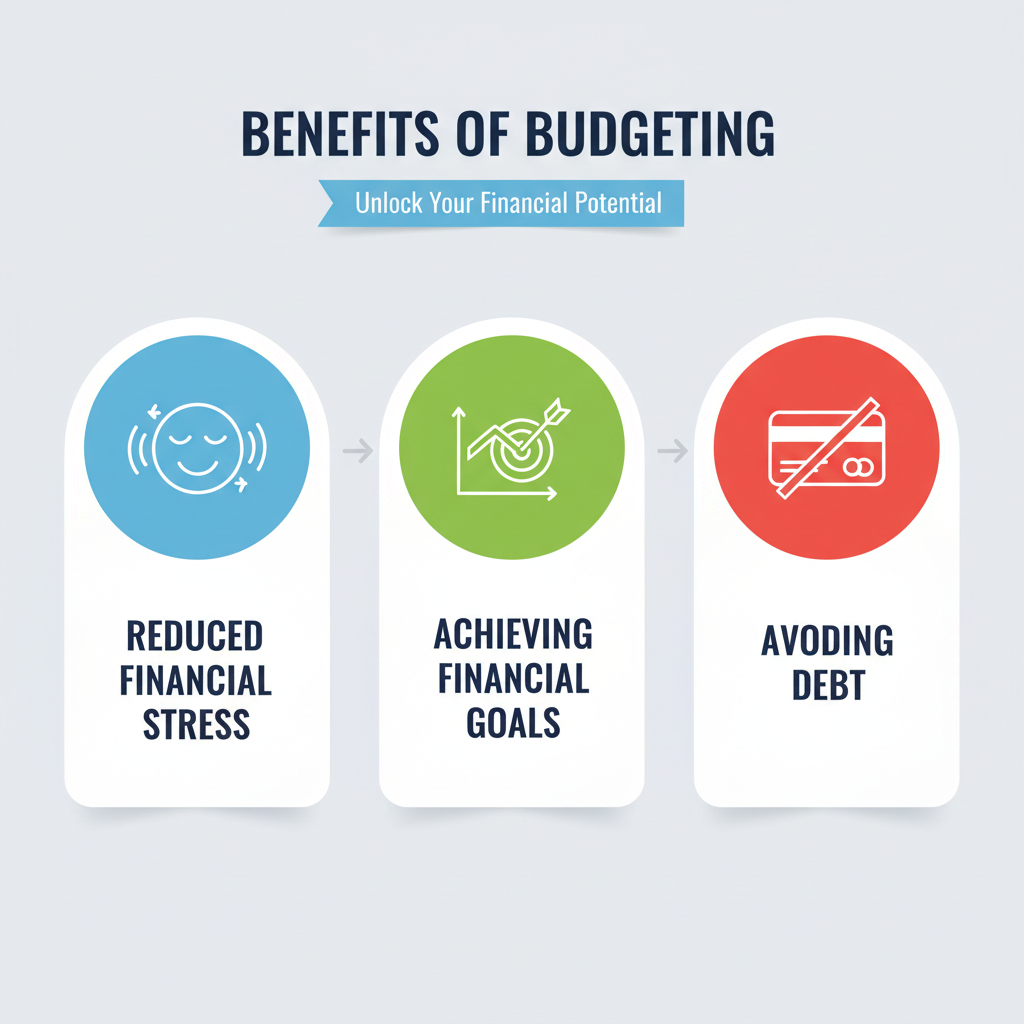
The Transformative Benefits of Budgeting
Consistently using a budget can dramatically improve your financial well-being. The benefits extend far beyond just tracking numbers.
Reduce Financial Stress
Money is a leading cause of stress for many people. A budget helps alleviate this anxiety by providing clarity and control. When you have a plan, you no longer have to worry about whether you can afford your bills or if you’ll have enough for an emergency.
Achieve Your Financial Goals
A budget is a roadmap to your goals. Want to buy a car, save for retirement, or travel the world? A budget shows you how to get there. By allocating funds specifically for your objectives, you turn abstract dreams into achievable targets. For example, if you want to save $6,000 for a down payment in one year, your budget will help you find the $500 per month needed to reach that goal.
Avoid and Eliminate Debt
Overspending is a direct path to debt. A budget acts as a guardrail, keeping your spending in check and preventing you from living beyond your means. If you’re already in debt, a budget is your most powerful tool for paying it off. By identifying areas to cut back, you can free up cash to make extra payments on your loans or credit cards, accelerating your journey to becoming debt-free.
Build a Strong Financial Foundation
Budgeting helps you build essential financial habits, like regular saving and mindful spending. It prepares you for unexpected life events by enabling you to build an emergency fund. This safety net ensures that a surprise car repair or medical bill doesn’t derail your financial progress.
Tips for Effective and Sustainable Budgeting
Creating a budget is the first step; sticking to it is the real challenge. Here are some tips to help you stay on track.
- Be Realistic: Your first budget won’t be perfect. If you set unrealistic spending limits, you’re setting yourself up for failure. Be honest about your habits and make gradual changes.
- Try Different Budgeting Methods: There are many ways to budget. The 50/30/20 rule (50% for needs, 30% for wants, 20% for savings) is a popular starting point. Others prefer a zero-based budget, where every dollar of income is assigned a job. Find a method that works for you.
- Review and Adjust Regularly: Your income and expenses can change. Review your budget every month to ensure it still aligns with your financial situation and goals. Life events like a pay raise, a new job, or a change in family size will require adjustments.
- Automate Your Savings: Make saving effortless by setting up automatic transfers from your checking account to your savings account each payday. This “pay yourself first” strategy ensures you prioritize your future.
- Use Cash for Certain Categories: If you tend to overspend on categories like dining out or entertainment, try using a cash envelope system. At the start of the month, put your allocated budget amount in an envelope. Once the cash is gone, your spending in that category is done until next month.
Common Budgeting Mistakes to Avoid
Even with the best intentions, it’s easy to make mistakes. Watch out for these common pitfalls.
- Forgetting Irregular Expenses: People often forget to budget for expenses that don’t occur every month, like annual subscriptions, holiday gifts, or car maintenance. Create a “sinking fund” by setting aside a small amount each month for these larger, predictable costs.
- Not Having an Emergency Fund: Without an emergency fund, any unexpected expense can break your budget. Aim to save at least three to six months’ worth of living expenses in a separate, easily accessible savings account.
- Giving Up Too Soon: Budgeting is a marathon, not a sprint. You might have a month where you overspend. Don’t get discouraged. Analyze what went wrong, make adjustments, and start fresh the next month.
- Making It Too Complicated: A 20-page spreadsheet with dozens of categories can be overwhelming. Keep your budget simple and focused on what’s most important. A few broad categories are often more effective than many granular ones.
Beyond the Calculator: More Tools for Your Financial Toolkit
Our Monthly Budget Calculator is a great starting point. As you become more comfortable with managing your money, consider using other tools to enhance your financial plan.
- Savings Calculator: Use a savings calculator to set specific goals and see how your contributions can grow over time. It can motivate you by showing how small, consistent savings add up.
- Compound Interest Calculator: Albert Einstein reportedly called compound interest the eighth wonder of the world. A compound interest calculator demonstrates how your money can grow exponentially when you invest it, as you earn returns on both your original investment and the accumulated interest.
Take the First Step Today
Managing your finances doesn’t have to be complicated. With the right tools and a clear plan, you can take charge of your money and build the future you want. Our Monthly Budget Calculator provides the clarity you need to understand your spending, find opportunities to save, and make progress toward your goals.
Start by gathering your income and expense information, and use the calculator to see where you stand. From there, you can build a realistic budget that empowers you to live a more secure and fulfilling financial life.
To strengthen your financial plan, use our Savings Calculator to track your savings goals and our Compound Interest Calculator to understand how your money can grow over time.
You can also learn more about budgeting basics from Consumer.gov’s guide to creating a budget.