How to Save Money When Building a House: 25 Proven Ways to Cut Costs
Building your own home can be one of the most rewarding yet expensive financial projects you’ll ever undertake. If you’re wondering how to save money when building a house, the good news is that smart planning and informed decisions can significantly reduce your total costs. This complete guide shares real-world ways to build a house on a budget—without sacrificing quality, safety, or long-term comfort.
Important Disclaimer
This article is for educational and informational purposes only and does not constitute financial, legal, or construction advice. Building a house involves substantial financial decisions, and costs vary widely by location, labor, and material market conditions. Always consult qualified professionals (contractors, architects, and financial advisors) before making major decisions.
Table of Contents
Why Pre-Planning Is Essential to Save Money When Building a House
Think of building a house like preparing for a long road trip. You wouldn’t just jump in the car and start driving without a map, a destination, or a budget for gas and food. The same logic applies to home construction. Pre-planning is your roadmap to success, and it’s the single most effective way to control costs.
When you take the time to plan every detail before the first shovel hits the ground, you avoid expensive last-minute changes and surprises. A solid plan gives you a clear vision of your final costs, allowing you to make informed decisions about where to spend and where to save. This initial stage is where you set your financial foundation. It involves finalizing your design, setting a realistic budget, and understanding every line item. For effective tracking, consider using Budgeting Apps to manage your finances from day one. Proper planning is the key to building a house cheaper and with less stress.
How to Save Money When Building a House Before Construction Starts
The decisions you make before construction begins have the biggest impact on your overall budget. This is your golden opportunity for low-cost house construction. Getting these steps right can save you thousands of dollars down the line.
For example, building a 1,800 sq ft home instead of 2,400 sq ft can reduce material and labor costs by 20–30%, potentially saving $20,000–$40,000 depending on local rates.
According to Bankrate’s data on the average cost to build a house, construction expenses can vary widely depending on location, design, and material choices.
1. Choose a Simple House Design
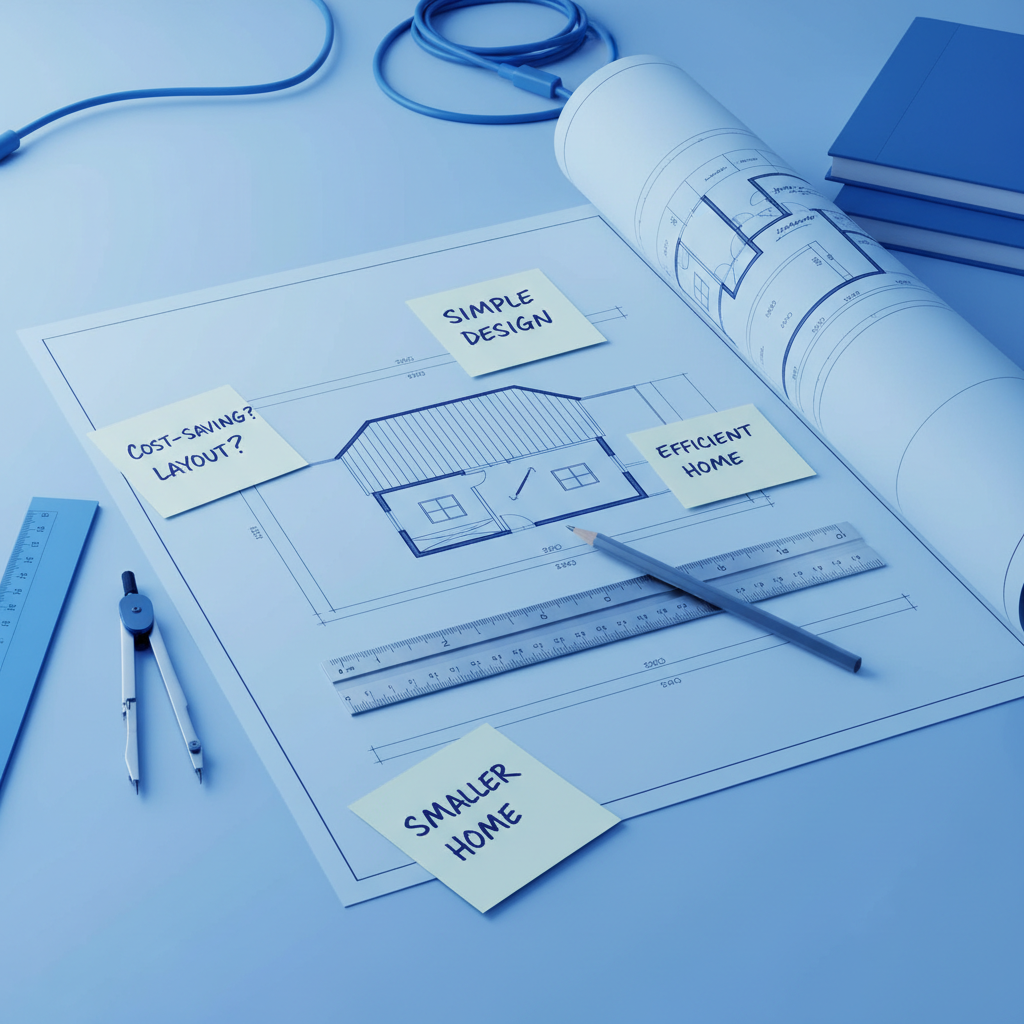
Complex designs with multiple rooflines, odd angles, and intricate details are expensive to build. Every corner and curve adds to your labor and material costs. A simple, rectangular, or square floor plan is the most efficient and cost-effective shape to construct. Think about it: a square has four corners, while an L-shaped house has six, and a U-shaped house has eight. More corners mean more complex foundation work, framing, and roofing. Sticking to a simple design is a fundamental strategy for anyone looking to build a house on a budget.
2. Build a Smaller Home
It might sound obvious, but one of the surest ways to save money is to reduce the square footage. A smaller home requires fewer materials, less labor, and a smaller foundation. It also costs less to heat, cool, and maintain over the long run. Carefully consider how much space your family truly needs. Do you need a formal dining room you’ll only use twice a year? Could a multi-purpose room serve as both an office and a guest space? Smart, efficient design can make a smaller home feel spacious and functional.
3. Select a Cost-Effective Lot
The land you build on can dramatically affect your final price. A flat, clear lot is ideal because it requires minimal site preparation. A sloped or rocky lot might look scenic, but it will need extensive (and expensive) excavation, grading, and foundation work. Before purchasing land, investigate a few key things:
Utilities: Is the lot already connected to water, sewer, and electricity? Bringing utilities to a remote site can cost a fortune.
Soil Quality: Get a soil test. Poor soil may require special foundation engineering, adding unexpected costs.
Zoning and Permits: Ensure there are no restrictions that would prevent you from building your desired home.
4. Get Multiple Bids from Builders
Don’t just go with the first builder you meet. It’s essential to shop around and get at least three detailed bids from reputable general contractors. When comparing bids, make sure they are “apples-to-apples”—meaning each builder is quoting for the exact same set of plans and materials. A low-ball bid might be tempting, but it could mean the builder is using cheaper materials or cutting corners. Check references, look at their previous work, and make sure they are licensed and insured. Finding the right builder is as much about trust and communication as it is about price.
5. Review Contracts Carefully
Before signing anything, read the contract from top to bottom. This document outlines everything—the scope of work, the payment schedule, the timeline, and the specific materials to be used. If anything is unclear, ask questions. It might be wise to have a lawyer review the contract to ensure your interests are protected. A well-written contract minimizes misunderstandings and provides legal recourse if something goes wrong. This is a critical step to Stop Wasting Money on potential disputes or unexpected charges.
How to Save Money When Building a House During Construction
Once construction is underway, there are still plenty of opportunities to keep costs in check. Being an active and engaged homeowner during this phase is crucial for building a house cheaper. Here are some strategies to consider.
1. Supply Your Own Materials
Builders often get materials at a discount, but they also add a markup (typically 15-25%) for procuring them. In some cases, you can save money by sourcing materials yourself. This works best for items where you can find a great sale or a direct supplier, such as appliances, light fixtures, or flooring. However, always coordinate with your builder first. They need to approve the materials to ensure they meet code and quality standards, and they need to know when the items will be delivered to avoid construction delays.
Supplying your own materials means buying items (like fixtures, flooring, appliances) yourself and having them delivered to the site — but always coordinate with your builder so they integrate smoothly into the project.
2. Do Some of the Work Yourself
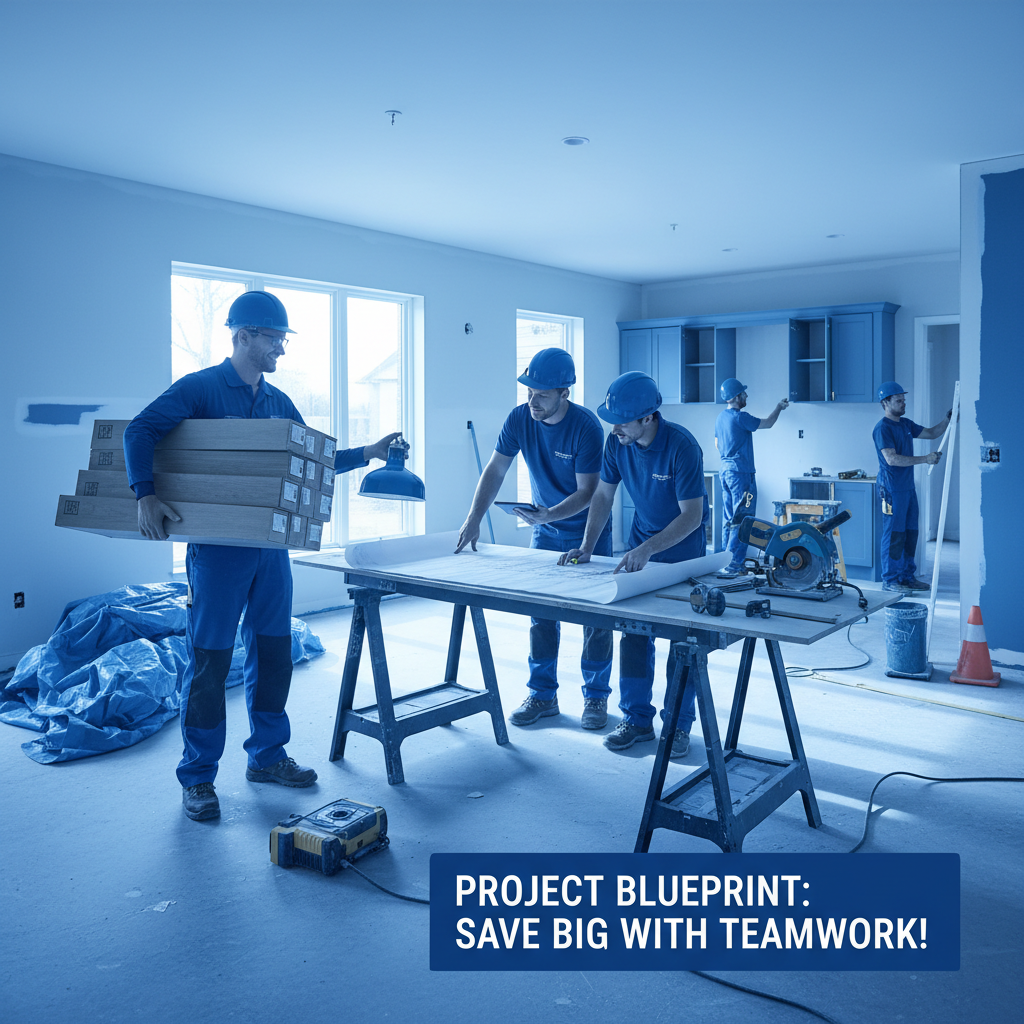
If you have the skills and the time, taking on some of the labor yourself—often called “sweat equity”—can lead to significant savings. Tasks like painting, landscaping, installing flooring, or handling the final cleanup are manageable for many homeowners. Be realistic about your abilities and the time you can commit. A poorly done job will cost more to fix than it would have to hire a professional in the first place. Discuss your plans with your general contractor to ensure your work fits into their schedule and meets their quality standards.
3. Use Reclaimed or Salvaged Materials
Using reclaimed materials can add unique character to your home while also cutting costs. Architectural salvage yards, online marketplaces, and places like Habitat for Humanity ReStores are treasure troves for items like doors, windows, hardwood flooring, lighting, and even kitchen cabinets. You can find high-quality, one-of-a-kind pieces for a fraction of their original price. This approach is not only budget-friendly but also environmentally conscious.
4. Plan for Energy Efficiency
Investing in energy efficiency upfront will save you money for years to come. While high-performance windows, extra insulation, and an efficient HVAC system might have a higher initial cost, they drastically reduce your monthly utility bills. Think of it as an investment that pays you back over time. Discuss energy-saving options with your builder, such as orienting the house to take advantage of natural light and heat (passive solar design) or installing a tankless water heater. These choices are essential if you want to Save Money Smartly.
5. Avoid Last-Minute Changes
Changes made after construction has started are one of the biggest budget-busters. A “change order” can trigger a domino effect of costs, including extra labor, new materials, and project delays. Even a seemingly small change, like moving a wall a few feet, can require re-routing plumbing, electrical, and HVAC systems. Stick to the plan you finalized during the pre-planning phase. This is why spending adequate time on your design at the beginning is so important.
💡 Action Step: Before construction, gather at least 3 bids from different builders and compare them side-by-side in a spreadsheet.
How to Save Money on Interior Finishes When Building a House
Finishes are where a budget can quickly spiral out of control. This is the part of the home where you see and touch everything, from floors to faucets. While it’s tempting to go for high-end options everywhere, making strategic choices can save you a lot of money without compromising on style.
1. Choose Standard Sizes for Doors and Windows
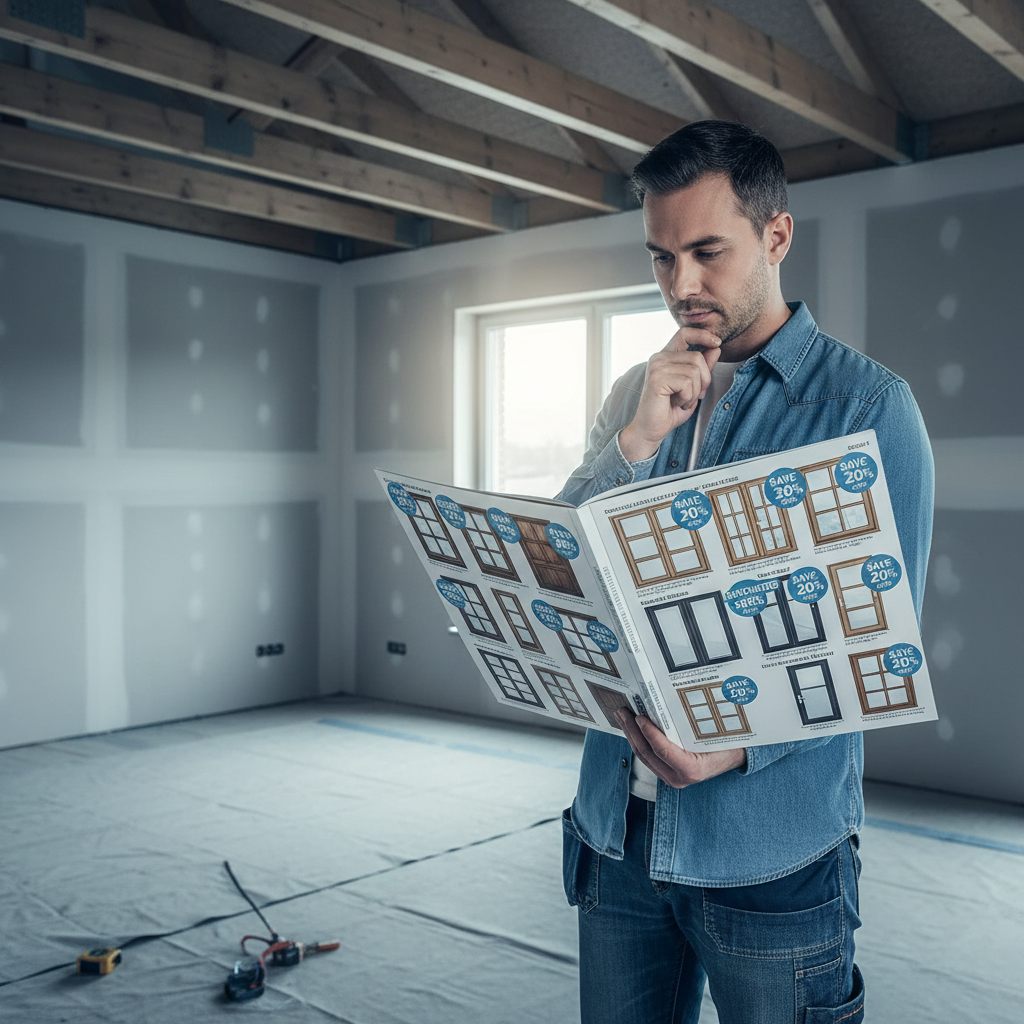
Custom-sized doors and windows are significantly more expensive than standard, off-the-shelf sizes. By designing your home around standard dimensions, you can save hundreds or even thousands of dollars. Your architect or designer can help you incorporate standard sizes into your plans from the beginning. This simple decision simplifies ordering and installation, contributing to a lower overall cost.
2. Opt for Budget-Friendly Flooring
Flooring is a major expense, but there are many beautiful and durable options that don’t break the bank. Luxury vinyl tile (LVT) and laminate have come a long way, offering realistic wood and stone looks at a fraction of the cost of the real thing. They are also highly durable and easy to maintain. You could also consider polished concrete for a modern, industrial look or choose a more affordable carpet for bedrooms. You can always upgrade to hardwood down the road.
3. Buy Light Fixtures and Appliances on Sale
Don’t just accept the builder-grade options for lighting and appliances. You can often find better quality products for less money by shopping sales yourself. Look for deals during holiday weekends like Black Friday or Memorial Day. Online retailers and outlet stores are also great places to find discounts on last year’s models, which often have the same features as the newest versions. Just remember to give your builder the specifications early so they can plan for the correct rough-ins. Applying good Budgeting Tips can make a big difference here.
4. Paint Interior Walls Yourself
Painting is one of the most DIY-friendly tasks in home construction. Hiring professional painters can cost several thousand dollars, a sum you can save by tackling the job yourself. It’s a time-consuming task, but with a bit of patience and the right tools (good brushes, rollers, and painter’s tape), you can achieve a professional-looking finish. Plus, there’s a great sense of satisfaction that comes from adding the final, personal touch to your new home.
Hidden Costs to Watch Out for When Building a House
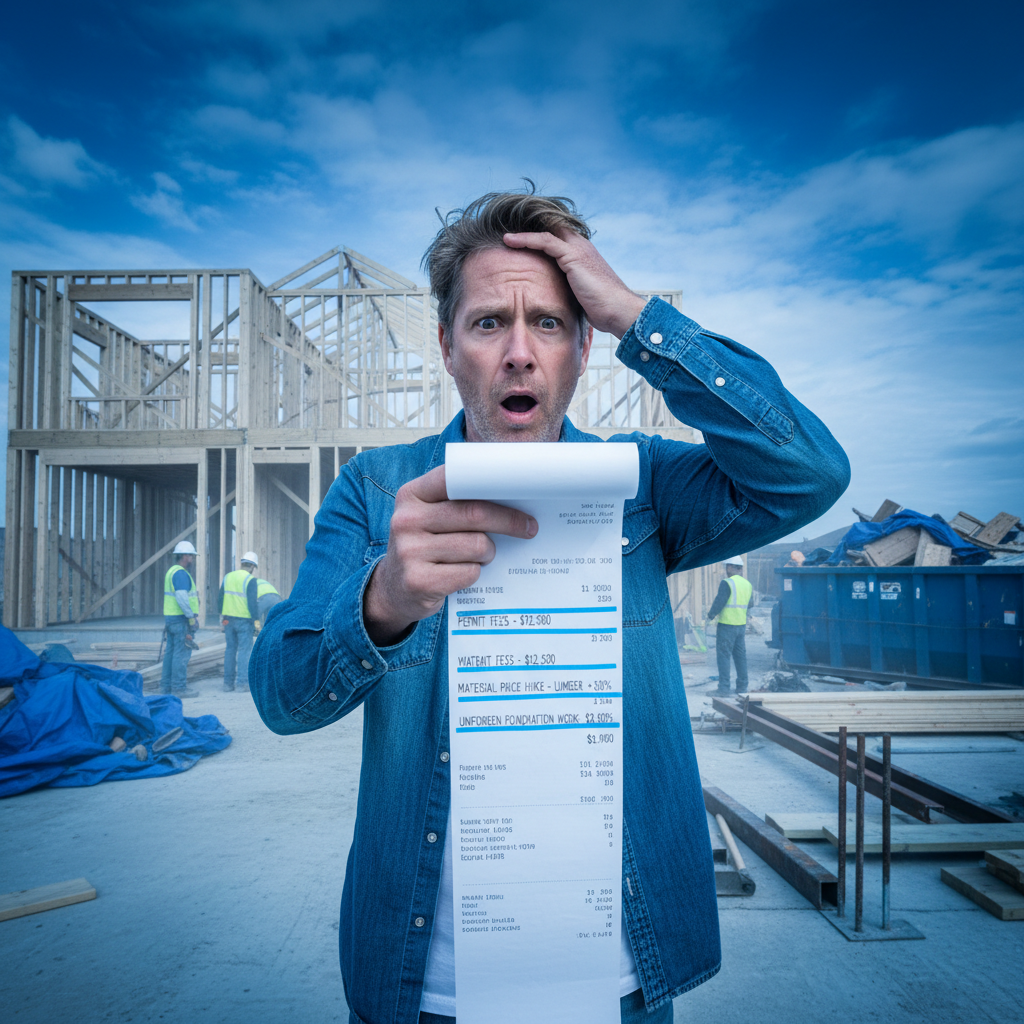
Many homeowners focus on obvious expenses like materials and labor but overlook hidden costs that can quietly inflate the budget. These include permit fees, inspection costs, temporary utility hookups, waste removal, and landscaping after construction ends.
Understanding these expenses early helps you save money when building a house by avoiding surprise bills and budget overruns.
Common Financial Mistakes to Avoid
Building a house is a complex financial undertaking, and it’s easy to make mistakes that cost you money and cause stress. Knowing what to watch out for can help you navigate the process more smoothly.
First, avoid underestimating your total costs. Always build a contingency fund of at least 10-15% of your total budget into your plan. This fund is your safety net for unexpected expenses, like a sudden increase in material prices or a necessary change to the plan.
Second, don’t get carried away with upgrades. It’s easy to say “yes” to a nicer countertop here or a fancier faucet there, but these small additions quickly add up. Stick to your original selections unless you have room in your contingency fund.
Finally, be careful with financing. Don’t overextend yourself by taking on a mortgage that will strain your monthly budget. A poor Money Mindset can lead to long-term financial pressure. Ensure you understand all the terms of your construction loan and your final mortgage. Staying disciplined is a core part of building a house on a budget.
Common Challenges When Building a House
While there are many ways to save money when building a house, it’s also important to acknowledge common challenges such as:
Permit or inspection delays that extend the timeline
Unexpected soil or site grading issues that increase foundation costs
Rising material prices due to supply fluctuations
Labor shortages that can affect scheduling
Anticipating these potential obstacles helps you plan better and avoid last-minute budget overruns.
Conclusion: Build Smart, Spend Less, and Stay in Control
Building a home doesn’t have to drain your savings or push you into long-term financial stress. By planning ahead, choosing cost-effective designs, and avoiding common budget mistakes, you can significantly reduce your total construction costs.
Learning how to save money when building a house is not about cutting corners—it’s about making smart, intentional decisions at every stage of the process. From selecting the right lot to managing interior finishes and avoiding last-minute changes, small choices add up to big savings.
Stay disciplined, track your spending carefully, and focus on long-term value rather than short-term upgrades. When done right, you’ll end up with a home you love—and a financial future you can breathe easy about.
Frequently Asked Questions
1. How much can you realistically save when building a house?
You can realistically save 10-20% on total construction costs by being a proactive, informed homeowner. This involves smart planning, choosing cost-effective designs, supplying some materials yourself, and doing some of the labor (sweat equity).
2. Is it cheaper to build a house or buy an existing one?
It depends. In many markets, buying an existing home is cheaper upfront. However, building allows you to control the design, avoid immediate renovation costs, and incorporate energy efficiency that saves money long-term. Building a house cheaper than buying is possible if you manage the project carefully.
3. What is the most expensive part of building a house?
The framing and foundation are typically the most expensive parts, making up a significant portion of the budget. Interior finishes and the cost of the lot are also major expenses to factor into your home building budget tips.
4. Can I act as my own general contractor to save money?
Acting as your own general contractor can save you the 15-25% markup they charge, but it is a full-time job. It requires extensive knowledge of construction, excellent project management skills, and a network of reliable subcontractors. For beginners, it’s often too risky and stressful.
5. What are some unexpected costs when building a home?
Unexpected costs often come from site work (like hitting rock during excavation), permit fee increases, material price hikes, or weather delays. This is why having a contingency fund of 10-15% is absolutely essential.
6. How does the time of year affect construction costs?
Construction tends to be busiest in the spring and summer, which can lead to higher prices for labor and longer waits for subcontractors. Building in the off-season (late fall or winter) can sometimes result in lower costs, but you risk weather-related delays.
7. Are one-story or two-story houses cheaper to build?
For the same square footage, a two-story house is generally cheaper to build. It has a smaller roof and foundation, which are two of the most expensive components. However, a one-story home (a ranch) avoids the cost of stairs and can be more convenient for some homeowners.
8. How much can you realistically save when building a house?
Most homeowners looking to save money when building a house can reduce costs by 10–20% with smart planning and discipline.
Sabir Abdirahman Mohamed is the founder of ThinkFixer and a personal finance and digital growth writer. He helps beginners learn how to save money, build online income streams, and grow blogs or businesses through practical SEO strategies. His content focuses on budgeting, smart money management, realistic ways to make money online, and step-by-step blogging guidance. His mission is to make financial and digital knowledge simple, actionable, and accessible for everyone.