Saving money can feel like an impossible puzzle, especially when your income is tight. If you’re wondering how to save money fast on a low income, you’re not alone. Many people assume that building savings is only possible with a high salary, but practical budgeting strategies and consistent habits can make a real difference. This guide shares realistic, beginner-friendly methods to help you improve financial stability step by step.
If your income feels stretched thin every month, you are not alone. Many households operate on tight budgets, but structured saving habits can still create financial breathing room.
Important Disclaimer
This article is for educational purposes only and does not constitute financial advice. Individual financial situations vary, and results depend on income level, expenses, and personal circumstances. Always consider consulting a qualified financial professional before making major financial decisions.
Table of Contents
Why Saving on a Low Income Requires Strategy
Saving money on a limited income is not about extreme sacrifice. Financial educators often emphasize consistent habit-building, expense awareness, and realistic goal setting. The key principle is sustainability — small adjustments that can be maintained over time tend to be more effective than aggressive short-term cuts.
Why Saving Money on a Low Income is Possible
One of the biggest myths about personal finance is that you need a lot of money to save money. This idea can be discouraging, making you feel like you’re stuck in a cycle of living paycheck to paycheck with no way out. The truth is, saving isn’t about how much you earn; it’s about the habits you build.
Think of it like getting in shape. You don’t start by running a marathon on day one. You start with a short walk, then a jog, and slowly build your strength and endurance. Your financial journey is the same. Small, consistent changes in how you manage your money can have a massive impact over time. Saving just a few dollars each week might not seem like much, but it adds up, creating a snowball of savings that grows bigger and bigger.
The key is to shift your perspective. Instead of focusing on what you can’t do, focus on what you can. Every dollar you save is a victory. It’s a step toward less stress and more freedom. You have the power to change your financial future, and it starts today.
Assessing Your Current Financial Situation
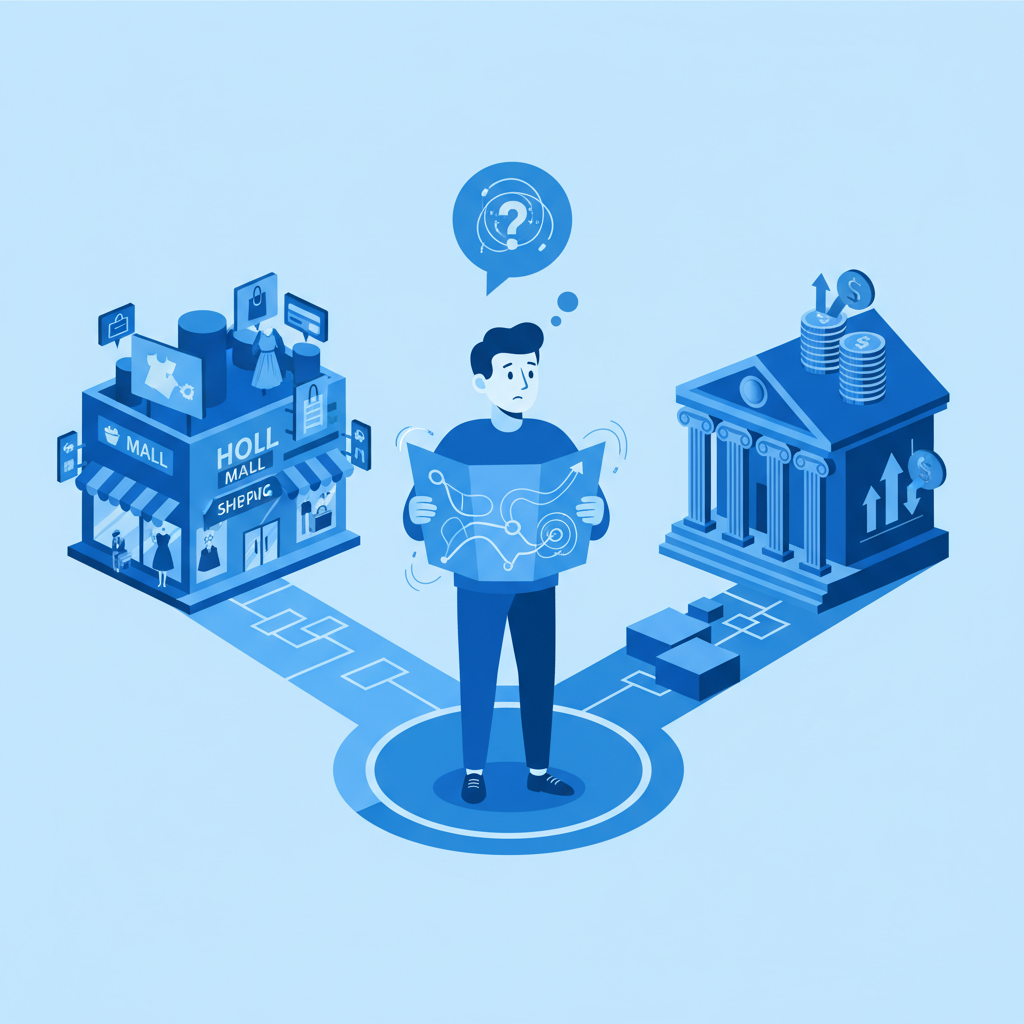
Before you can map out where you’re going, you need to know where you are. The first step to saving money is getting a clear picture of your finances. This isn’t about judging your past spending; it’s about gathering information so you can make smarter decisions moving forward. Many people are surprised to find out where their money is actually going.
Think of this process as turning on the lights in a dark room. You might not like everything you see, but at least you can see it. Understanding your income and expenses is the foundation of any successful savings plan.
Steps to Track Your Spending
Getting a handle on your finances might sound complicated, but it breaks down into a few simple steps. Your goal for the next month is to become a detective, tracking every dollar that comes in and goes out.
List All Your Income: Start by writing down every source of income you have. This includes your primary job, any side gigs, government benefits, or child support. Calculate your total monthly take-home pay—the amount you actually receive after taxes and other deductions.
Track Every Expense: For one full month, keep a record of everything you spend. You can use a simple notebook, a spreadsheet, or a budgeting app. Be honest and thorough. Record the daily coffee, the pack of gum, the online subscription—everything. Don’t worry about changing your habits just yet; the goal is simply to observe.
Categorize Your Spending: At the end of the month, group your expenses into categories. Common categories include:
Housing: Rent/mortgage, property taxes
Utilities: Electricity, water, gas, internet
Transportation: Gas, public transit, car maintenance
Food: Groceries, dining out
Personal Care: Toiletries, haircuts
Debt Payments: Credit cards, student loans
Entertainment: Movies, subscriptions, hobbies
Identify Areas of Overspending: Now, look at your categories. Where are you spending more than you thought? Often, the biggest culprits are small, frequent purchases that add up, like daily lunches or multiple streaming services. This is your “aha!” moment, where you can pinpoint the exact areas to target for savings.
How to Save Money Fast on a Low Income With a Realistic Budget
Once you know where your money is going, it’s time to tell it where to go. That’s all a budget is: a plan for your money. It’s not about restriction; it’s about empowerment. A budget gives you control, ensuring your money is working for your goals, not against them. For anyone budgeting on a low income, this tool is your most powerful ally.
A budget acts as your financial GPS. Without it, you’re just driving around, hoping you end up somewhere good. With it, you have a clear path to your destination—whether that’s building an emergency fund, paying off debt, or simply having less financial stress.
Steps to Create a Budget
Creating a budget is straightforward. You’ve already done the hard work of tracking your spending. Now, you’ll use that information to create a plan for the future.
Start with Your Income: Use the total monthly take-home pay you calculated earlier. This is the total amount you have to work with.
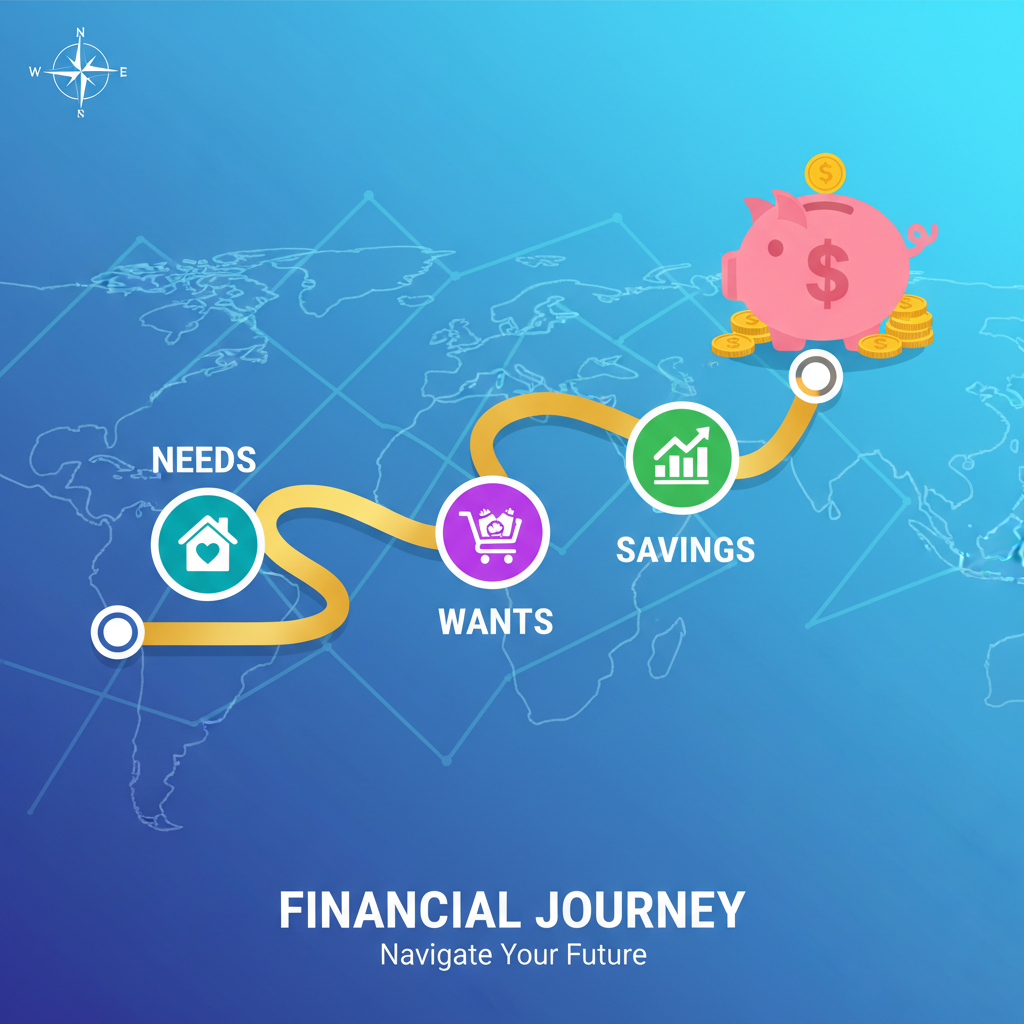
Prioritize Your Needs: List your essential expenses, often called “needs.” These are the things you must pay to live, such as rent, utilities, groceries, and transportation to work. Subtract the total cost of your needs from your income.
Plan for Your Wants: Next, look at your non-essential expenses, or “wants.” This includes things like dining out, entertainment, and shopping. Decide how much you can realistically allocate to these categories based on what’s left after paying for your needs.
Make Room for Savings: This is the most important step. Allocate a portion of your income to savings, no matter how small. Even $5 or $10 a week makes a difference. The goal is to make saving a non-negotiable expense, just like your rent. Treat it as a bill you pay to your future self.
Use a Simple Budgeting Rule: A popular method is the 50/30/20 rule, where 50% of your income goes to needs, 30% to wants, and 20% to savings. However, on a low income, this might not be realistic. You can adapt it. Maybe your budget looks more like 70/20/10 (70% needs, 20% wants, 10% savings) or even 80/15/5. The exact numbers don’t matter as much as the principle of assigning every dollar a job.
Find the Right Tools: Budgeting doesn’t have to be a chore. There are many fantastic Free budgeting apps designed to make the process simple. These apps can connect to your bank account, automatically track spending, and help you stay on target. If you work gigs or have an irregular income, exploring different budgeting tips for freelancers can provide additional strategies that fit your situation.
How to Save Money Fast on a Low Income Without Extra Income
Learning how to save money fast on a low income without extra income starts with controlling what you already have. When earning more money is not an option, the fastest way to save is by reducing unnecessary spending and using smarter money habits. Even small adjustments can create immediate savings without affecting your basic needs.
The first step is identifying spending leaks. These are small, recurring expenses that quietly drain your budget, such as unused subscriptions, frequent takeout meals, convenience fees, or impulse purchases. Cutting just one or two of these expenses can free up cash that can be redirected toward savings right away.
Another effective strategy is practicing intentional spending. Before buying anything that is not essential, pause and ask whether the purchase aligns with your financial goals. This simple habit helps reduce impulse buying and keeps your spending focused on necessities. Over time, this mindset shift plays a major role in saving money on a low income.
Using cash or a debit card instead of credit can also help you save faster. When money leaves your account immediately, you become more aware of your spending choices. This awareness naturally encourages better financial decisions and prevents debt from slowing down your progress.
Reducing fixed expenses is another powerful method. Look for ways to lower your monthly bills by switching to cheaper phone plans, using energy-saving habits at home, or negotiating internet and insurance costs. These reductions may seem small, but they add up every month and create long-term savings.
Finally, automate your savings, even if the amount is small. Setting aside a few dollars each week builds consistency and discipline. Saving money fast on a low income is not about large amounts—it is about creating systems that make saving unavoidable and sustainable.
By focusing on spending control rather than earning more, you can make real financial progress. With the right habits, saving money without extra income becomes achievable, realistic, and empowering.
Cutting Unnecessary Expenses
Now comes the part where your savings plan really kicks into high gear: cutting costs. After tracking your spending, you probably noticed a few areas where money seems to disappear. These “spending leaks” are your biggest opportunities. Finding ways to Stop wasting money is one of the most effective strategies for how to save money fast with no extra income.
Think of your budget as a garden. To help your savings grow, you need to pull out the weeds—the unnecessary expenses that are choking your finances.
Identify Common Areas of Overspending
Most people tend to overspend in a few key areas. See if any of these sound familiar:
Subscriptions and Memberships: That gym membership you never use, the three streaming services you barely watch, the monthly subscription box you forgot you signed up for—these small, recurring charges add up fast.
Dining Out and Takeout: Convenience comes at a cost. A $15 lunch or a $30 pizza delivery might not seem like a big deal at the moment, but a month of these purchases can easily cost hundreds of dollars.
Impulse Purchases: The candy bar at the checkout counter, the flash sale online, the “must-have” gadget you saw on social media. These unplanned purchases are budget-killers.
Brand-Name Products: From groceries to clothing, the brand-name version is often significantly more expensive than the generic or store-brand alternative, even though the quality is frequently identical.
Convenience Fees: Paying extra for delivery, ATM fees from out-of-network banks, and other small charges for convenience can drain your account without you even noticing.
Practical Tips to Reduce Expenses
Once you’ve identified your problem areas, you can take action. Here are some simple ways to save money by cutting back:
Conduct a Subscription Audit: Go through your bank statement and list every recurring charge. Cancel anything you don’t use regularly or truly value. Be ruthless.
Embrace Home Cooking: Plan your meals for the week, make a grocery list, and stick to it. Cooking at home is not only cheaper but often healthier. Pack your lunch for work and make coffee at home.
Implement a 24-Hour Rule: For any non-essential purchase over a certain amount (say, $20), wait 24 hours before buying it. This cooling-off period gives you time to decide if you really need it, helping you avoid impulse buys.
Shop Smart: Always compare prices, look for sales, and use coupons. Choose generic brands for staples like pasta, canned goods, and cleaning supplies.
Find Free Fun: Entertainment doesn’t have to be expensive. Explore local parks, visit the library, have a game night with friends, or find free community events.
Cut Transportation Costs: If possible, use public transportation, carpool with a coworker, or walk or bike for short trips. Regular car maintenance can also prevent costly repairs down the road.
Maximizing Your Income
Cutting expenses is one side of the savings coin; the other is increasing your income. While this might sound daunting, there are many accessible ways to bring in extra cash, even if you only have a few spare hours a week. Every extra dollar you earn is a dollar you can put directly toward your savings goals. This is a powerful strategy, especially if you’ve already cut your budget to the bone.
Think of your income like a river. You can build a dam (your budget) to control the flow, but you can also find new streams to feed the river and make it stronger.
Explore Ways to Increase Income
Here are some ideas for boosting your earnings:
Take on a Side Hustle: The gig economy offers countless flexible opportunities. You could deliver food with a service like DoorDash, drive for Uber or Lyft, walk dogs through Rover, or perform small tasks on TaskRabbit. These jobs allow you to work when you want, making them perfect for fitting around a primary job.
Leverage Your Skills with Freelancing: Do you have a skill others would pay for? Maybe you’re a great writer, a graphic design whiz, or organized enough to be a virtual assistant. Websites like Upwork and Fiverr connect freelancers with clients looking for all kinds of services.
Sell Unused Items: Look around your home. That old smartphone, the clothes you never wear, the books you’ve already read—they’re all potential cash. You can sell items on platforms like Facebook Marketplace, Poshmark, or eBay. It’s a quick way to declutter and make money at the same time.
Ask for a Raise: If you’ve been a valuable employee at your job for a while, don’t be afraid to ask for a raise. Research the average salary for your position in your area, document your accomplishments, and schedule a meeting with your manager to discuss your compensation. The worst they can say is no.
Seek Better-Paying Opportunities: Sometimes, the best way to increase your income is to find a new job. Update your resume and start looking for positions that offer a higher wage or better benefits.
The most important part of this strategy is to have a plan for the extra money. It’s tempting to let it get absorbed into your regular spending. Instead, commit to putting all—or at least a large portion—of your extra income directly into your savings account. This is one of the fastest ways to build your emergency fund and get ahead financially.
Building Healthy Money Habits
Saving money isn’t a one-time event; it’s a long-term practice. The tips and strategies in this guide are your tools, but the real key to success is building healthy habits that stick. Consistency and discipline are what turn small actions into significant results. It’s about making smart money choices automatically, without having to think too hard about them.
Developing good financial habits is like building muscle. It requires regular effort and repetition. At first, it might feel difficult, but over time, it becomes second nature. Cultivating a positive Money mindset is crucial; you have to believe that you are capable of managing your money well.
Tips for Building Habits
Here are some powerful techniques to make saving a permanent part of your life:
Automate Your Savings: This is the single most effective thing you can do to ensure you save consistently. Set up an automatic transfer from your checking account to your savings account every payday. Even if it’s just $10, automating it means you save without having to make a decision. You pay your future self first, before you have a chance to spend the money elsewhere.
Set Small, Achievable Goals: Instead of a vague goal like “save more money,” set specific, small targets. Your first goal might be to save $100. Once you hit that, aim for $250, then $500. These small wins build momentum and confidence. These are excellent emergency savings tips because they help you build a cushion without feeling overwhelmed.
Reward Yourself for Milestones: When you reach a savings goal, celebrate it! This doesn’t mean splurging and undoing all your hard work. Choose a small, low-cost reward, like renting a movie you’ve wanted to see or enjoying a special dessert. This positive reinforcement helps you associate saving with a good feeling.
Track Your Progress Regularly: Make a date with your money. Once a week or once a month, review your budget and check your savings progress. Seeing how far you’ve come is incredibly motivating. Use a visual tracker, like a chart or a savings app, to make your progress tangible.
Find an Accountability Partner: Share your goals with a trusted friend or family member. Having someone to check in with can keep you on track, especially when you feel discouraged. You can encourage each other and celebrate your successes together.
Practice Mindful Spending: Before you buy something, pause and ask yourself: “Do I truly need this? Does this purchase align with my financial goals?” This simple habit can prevent countless impulse buys and keep you focused on what matters most.
Example: Saving $25 Per Week
If you save $25 per week, that equals $100 per month or $1,200 per year. While that may not seem large, it can cover emergency car repairs, medical bills, or reduce reliance on high-interest credit.
This illustrates how small, consistent habits create financial stability over time.
Leveraging Free or Low-Cost Resources
When you’re trying to save money on a low income, every dollar counts. Fortunately, you don’t have to do it all alone. There is a wealth of free and low-cost resources available in your community and online that can help you reduce expenses and get financial support. Tapping into these resources can free up more of your income for savings.
Programs like SNAP can help reduce grocery costs, allowing low-income households to redirect more money toward savings.
Think of these resources as a support system. They are there to help you bridge gaps and make your financial journey a little easier. You just have to know where to look.
Community Resources
Your local community is often the best place to start. Here are some resources to explore:
Food Banks and Pantries: If you’re struggling to afford groceries, food banks can provide essential items for free, significantly reducing your food bill. Many communities also have programs like SNAP (Supplemental Nutrition Assistance Program) that can help.
Free Financial Literacy Workshops: Many non-profit organizations, credit unions, and community centers offer free workshops on topics like budgeting, credit repair, and saving. These classes can provide valuable knowledge and connect you with financial counselors.
Utility Assistance Programs: If you’re having trouble paying your electricity, gas, or water bills, contact your utility provider. Many have assistance programs or can set up a payment plan to help you manage the cost. The Low Income Home Energy Assistance Program (LIHEAP) is a federal program that can also help.
Public Libraries: Your local library is an amazing resource. You can get free entertainment (books, movies, music), use computers and internet for free, and often attend free classes and events.
Online Tools and Apps
The digital world also offers plenty of support for savers:
Budgeting and Savings Apps: Apps like Mint, YNAB (You Need A Budget), and Personal Capital can help you track your finances automatically. Other apps, like Acorns or Digit, are designed to help you save small amounts of money without even thinking about it.
Coupon and Cashback Websites: Before you buy anything online, check sites like Rakuten or Honey. They offer coupon codes and cashback on your purchases, putting money back in your pocket.
Free Online Courses: Websites like Coursera and edX offer free courses on personal finance from top universities. You can learn everything from the basics of investing to advanced financial planning at no cost.
Avoiding Common Pitfalls When Saving on a Low Income
The path to financial stability has its share of obstacles. Knowing what they are ahead of time can help you navigate around them and stay on track. When you’re saving on a low income, a small setback can feel like a major disaster, but with the right mindset and strategies, you can overcome any challenge.
Foreseeing these pitfalls is like knowing where the potholes are on a road. You can slow down, steer around them, and keep moving forward smoothly.
Pitfalls to Avoid
Here are some common mistakes to watch out for:
Relying on Credit Cards for Emergencies: It’s tempting to swipe a credit card when an unexpected expense pops up, but this can quickly lead to high-interest debt that’s hard to escape. This is why building an emergency fund is so critical. If you are already in debt, it’s important to create a plan to Pay off debt so you can break the cycle.
Setting Unrealistic Savings Goals: Aiming to save 50% of your income when you’re already struggling to make ends meet is a recipe for failure. When you set goals that are too ambitious, you’re more likely to get discouraged and give up entirely. Start small and build from there.
The Comparison Trap: Don’t compare your financial journey to someone else’s. Your friend who just bought a new car or your coworker who takes lavish vacations likely has a different income and different financial circumstances. Focus on your own progress and celebrate your own wins. Social media can be the biggest enemy here, so remember that you’re only seeing a highlight reel, not the full picture.
All-or-Nothing Thinking: You might think, “I can’t save much, so why bother saving at all?” This mindset is destructive. Every single dollar counts. Saving $20 a month is infinitely better than saving nothing. Don’t let perfection be the enemy of progress.
Giving Up After a Setback: You will have months where you can’t save as much as you planned. An unexpected car repair or medical bill can happen. Don’t see this as a failure. See it as a temporary detour. Acknowledge it, adjust your plan if needed, and get back on track the following month. Resilience is key.
Staying focused and motivated is about being kind to yourself, celebrating small victories, and remembering your “why.” Why are you saving? Is it for peace of mind? For a specific goal? Keep that reason at the front of your mind to power through the tough times.
Common Challenges When Saving on a Low Income
While saving is possible, it is important to acknowledge real obstacles:
Unexpected medical or emergency expenses
Irregular income or gig work instability
Rising housing and food costs
High-interest debt obligations
Recognizing these risks helps you create a more realistic and flexible savings plan rather than relying on unrealistic expectations.
No matter your income level, taking control of your finances today puts you on a stronger path toward stability, security, and peace of mind.
Quick Action Checklist
✔ Track every expense for 30 days ✔ Cancel or reduce one recurring subscription ✔ Set up automatic transfer of at least $10 per week ✔ Build a starter emergency fund of $500 ✔ Review spending monthly
Conclusion: Saving Money on a Low Income Is Possible
Learning how to save money fast on a low income is not about earning more overnight—it’s about making smarter financial choices consistently. By tracking your spending, creating a realistic budget, cutting unnecessary expenses, and building simple saving habits, you can make real progress even with limited income.
Small actions, such as saving a few dollars each week or reducing one recurring expense, can add up over time. The key is consistency, patience, and focusing on what you can control. With the right mindset and practical strategies, saving money becomes achievable, not overwhelming.
Small, consistent action is more powerful than extreme short-term cuts.
Frequently Asked Questions
Navigating the world of personal finance can bring up a lot of questions. Here are answers to some of the most common ones about saving money on a low income.
How much should I save each month on a low income?
There is no magic number. A common guideline is to save 10-20% of your income, but that’s not always possible. The most important thing is to save something. Start with a small, manageable amount, like 1% of your income or even just $20 per month. Once you get comfortable, you can try to increase it. Consistency is more important than the amount.
What are the best budgeting tools for beginners?
Simple tools are often the best. You can start with a physical notebook and a pen (the envelope method), a basic spreadsheet (like Google Sheets), or user-friendly apps. Apps like Mint are great for seeing all your accounts in one place, while an app like YNAB can be powerful for giving every dollar a job.
How can I save money if I live paycheck to paycheck?
Start by tracking your expenses to find small leaks in your budget. Can you cut one subscription? Make coffee at home twice a week? These small changes free up a few dollars that you can immediately transfer to savings. Also, focus on increasing your income, even slightly, with a small side gig.
Are there government programs to help low-income individuals save?
Yes. Programs like SNAP and LIHEAP can help reduce your essential expenses, freeing up money for savings. Additionally, some non-profits offer matched savings programs (Individual Development Accounts or IDAs) where they match the money you save for a specific goal, like education or a down payment on a home.
What’s the fastest way to build an emergency fund?
Combine aggressive expense cutting with a temporary income boost. For one month, challenge yourself to a “no-spend” month where you only buy absolute essentials. At the same time, try to earn extra cash by selling items or taking on a few gig-work shifts. Put all the money you save and earn directly into your emergency fund.
How do I stay motivated to save money?
Visualize your goals. Create a vision board or write down why you’re saving and put it somewhere you’ll see it every day. Track your progress and celebrate your milestones. Seeing your savings account grow is a powerful motivator in itself.
Can I save money while paying off debt?
Yes, and you should. Most experts recommend a balanced approach. Focus on building a small emergency fund first (e.g., $500 – $1,000). This prevents you from going further into debt when an emergency hits. After that, you can allocate your extra money toward both your debt and your savings goals.
What are some affordable ways to have fun while saving?
Fun doesn’t have to be expensive. Explore nature by hiking or having a picnic. Host a potluck or game night with friends. Visit your local library for free books and movies. Look for free community events, concerts, or festivals in your area.
How do I handle unexpected expenses without derailing my savings?
This is exactly what your emergency fund is for! When an unexpected expense arises, use that fund instead of a credit card or your regular savings. Afterward, your priority should be to replenish the emergency fund as quickly as possible.
Is it possible to save for retirement on a low income?
Absolutely. It may be a slower process, but it’s possible. If your employer offers a retirement plan with a match, contribute enough to get the full match—it’s free money! If not, open an IRA (Individual Retirement Account) and contribute small, regular amounts. The power of compound interest means even small contributions can grow significantly over time.
Sabir Abdirahman Mohamed is the founder of ThinkFixer and a personal finance and digital growth writer. He helps beginners learn how to save money, build online income streams, and grow blogs or businesses through practical SEO strategies. His content focuses on budgeting, smart money management, realistic ways to make money online, and step-by-step blogging guidance. His mission is to make financial and digital knowledge simple, actionable, and accessible for everyone.