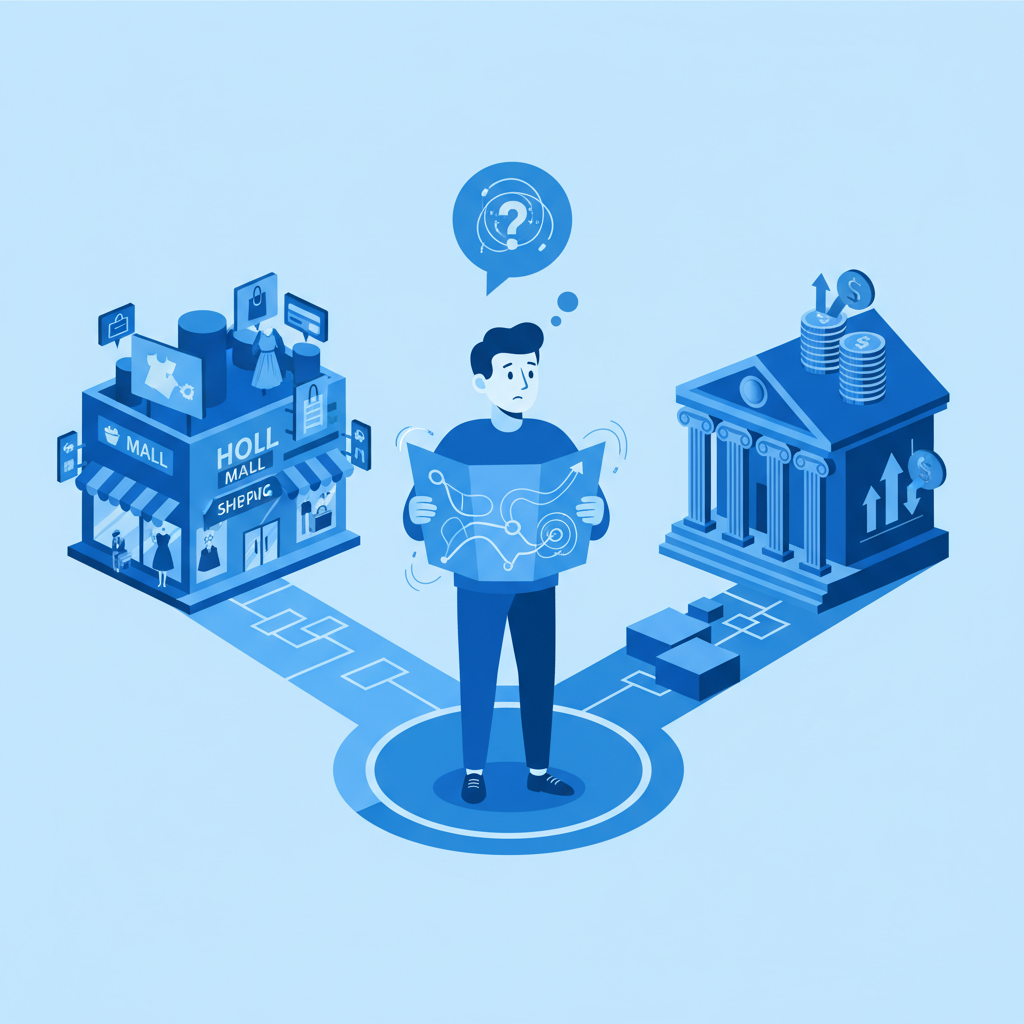
Broke Money Mindset: What It Is, Signs & How to Fix It
If you’ve heard the term broke money mindset, you might wonder what it really means. A broke money mindset doesn’t describe someone’s income — it describes limiting beliefs and financial habits that can hold back long-term progress. Understanding these patterns is the first step toward building healthier financial behaviors.
Important Disclaimer
This article is for educational and self-development purposes only. A “broke money mindset” refers to limiting financial beliefs or habits — not a person’s income level or personal worth. Financial outcomes depend on many factors, including economic conditions, opportunity, and access to resources.
Table of Contents
What Is a Broke Money Mindset?
A broke money mindset is a set of beliefs and attitudes about money that keeps you in a cycle of financial struggle. It’s like wearing glasses that only let you see problems and limitations, not opportunities. This way of thinking makes you feel like you’ll never have enough, leading you to make choices that prove that belief right.
This isn’t about how much money is in your bank account right now. You can have a high income and still have a broke mindset. It’s about your relationship with money and the stories you tell yourself about it. These beliefs often come from how we were raised or past financial mistakes, but they are not permanent. Your financial behavior is closely tied to these underlying thoughts. Recognizing this is the first step toward building a healthier, wealthier future. A poor money mindset focuses on what you lack, while a wealth mindset focuses on what you can create.
How a Broke Money Mindset Keeps You Financially Stuck
A broke money mindset doesn’t just affect how you think about money — it directly influences your financial outcomes. When you believe that money is always hard to get or that you’ll never have enough, your actions start to align with those beliefs.
For example, people with a scarcity money mindset often avoid opportunities that could improve their financial situation because they fear failure or loss. This might look like staying in a low-paying job, avoiding investments, or refusing to learn new skills that could increase income. Instead of seeing growth as possible, the mind focuses on risk and limitation.
A negative money mindset also leads to short-term thinking. You may prioritize immediate comfort over long-term stability, which results in impulsive spending, lack of savings, and ongoing financial stress. Over time, these repeated behaviors create a cycle that reinforces the belief of being “bad with money.”
In simple terms, a broke money mindset keeps you financially stuck by limiting your decisions, lowering your confidence, and preventing you from building habits that lead to wealth. Changing the mindset is essential before real financial progress can happen.
Common Signs of a Broke Money Mindset
Recognizing a broke money mindset is the first step toward changing it. These signs are more common than you think, and many people experience them without realizing their impact. Here are a few key indicators of a negative money mindset.
Believing You’re “Bad with Money”
One of the most common signs is constantly telling yourself, “I’m just bad with money.” This simple phrase can become a self-fulfilling prophecy. When you believe it, you stop trying to learn or improve. It becomes an excuse for not creating a budget, avoiding investments, or ignoring your financial statements. You might think financial skills are something you’re either born with or not, but that’s a myth. Everyone can learn to manage money effectively.
Example
If someone believes “I will never get ahead financially,” they may avoid learning about investing or negotiating salary. Over time, that belief reinforces limited financial growth. Changing the belief to “I can improve my financial skills step by step” encourages productive action.
Focusing on Scarcity Instead of Opportunity
A scarcity money mindset means you are constantly worried about not having enough. Your thoughts are dominated by fears of running out of money, losing your job, or facing an unexpected bill. This constant focus on lack makes it difficult to see opportunities for growth. Instead of thinking about how to earn more or make your money work for you, you’re stuck in survival mode. This lack mindset and money anxiety can be paralyzing, preventing you from taking calculated risks that could improve your financial situation.
Avoiding Your Financial Situation
Do you ever feel a sense of dread when you think about your bank account? Do you avoid opening bills or checking your credit card statements? This avoidance is a clear sign of a broke money mindset. Facing your financial reality can be uncomfortable, but ignoring it only makes things worse. Small issues can grow into major problems when left unaddressed. This avoidance often stems from fear and guilt, but it prevents you from taking control and making informed decisions.
Making Impulsive Spending Decisions
Another sign is a pattern of impulsive spending. This often happens as a way to cope with stress or other negative emotions. You might get a temporary high from a purchase, but it’s usually followed by guilt and regret. This cycle of emotional spending can wreck your budget and keep you from reaching your financial goals. It’s a sign that your spending is driven by feelings rather than a thought-out plan, which is a classic trait of a poor money mindset.
Feeling Guilty About Spending Money, Even on Needs
On the flip side of impulsive spending is feeling guilty about any spending at all. People with this mindset often feel a sense of shame when they spend money, even on necessary items like groceries, new shoes, or a car repair. This guilt can make you feel like you don’t deserve to have nice things or that you should always be saving every single penny. While being frugal is good, this level of guilt is a sign of an unhealthy relationship with money and points to deeper mindset mistakes.
How to Fix a Broke Money Mindset Step by Step
Fixing a broke money mindset requires intentional action and consistent effort. It’s not about becoming rich overnight, but about building healthier thoughts and habits around money that lead to long-term financial growth.
One practical way to shift limiting beliefs is by using structured money-mindset-exercises that encourage daily reflection, gratitude, and conscious financial decision-making. These exercises help replace automatic negative thoughts with more constructive financial habits.
The first step is awareness. You must recognize the negative beliefs you hold about money and understand how they affect your decisions. Once you become aware of these thoughts, you can begin replacing them with more empowering beliefs.
The next step is education. Learning basic financial concepts such as budgeting, saving, and managing debt helps reduce fear and uncertainty. Knowledge builds confidence, and confidence leads to better decisions.
From there, taking small, practical actions — like creating a simple budget or setting achievable savings goals — reinforces positive behavior. Each small success helps weaken the old broke mindset and strengthen a healthier financial mindset.
The detailed steps below will guide you through this process and help you replace scarcity thinking with a mindset focused on growth, control, and opportunity.
How a Broke Money Mindset Affects Your Income Goals
A broke money mindset acts like an anchor, holding you back from reaching your income goals. It directly influences your actions, your confidence, and your ability to spot opportunities, especially if you’re trying to make money online or start a side hustle.
When you have a scarcity money mindset, you tend to play it safe. You might stay in a low-paying job you dislike because you fear the uncertainty of looking for something better. The idea of starting a blog or freelance business seems too risky because your mind immediately focuses on the potential for failure. You might think, “What if I don’t get any clients?” or “What if nobody reads my blog?” This fear prevents you from taking the first step.
This negative money mindset also affects how you value your skills. If you do start a side business, you might undercharge for your services because you don’t feel confident in your worth. You might be hesitant to negotiate a raise at your job, believing you don’t deserve it. This directly limits your earning potential. You could be providing immense value but leaving money on the table simply because of your internal beliefs.
Ultimately, a poor money mindset keeps you focused on trading time for money instead of building systems that generate income. You miss opportunities for passive income or scalable business ideas because they feel out of reach. Changing your money mindset is crucial for unlocking your true earning potential and achieving the financial freedom you desire.
How to Shift from a Broke Mindset to a Wealth Mindset
Changing your money mindset isn’t an overnight fix, but it’s one of the most powerful investments you can make in your financial future. Think of it like learning a new skill. It takes practice, patience, and a clear strategy. Here are six steps to help you shift from a broke, scarcity-based mindset to one of abundance and wealth.
Step 1: Acknowledge and Identify Your Limiting Beliefs
The first and most important step is to become aware of your negative thoughts about money. You can’t fix a problem you don’t know you have. Take some time to reflect on your beliefs. What did you learn about money growing up? What do you tell yourself about your financial capabilities?
Grab a notebook and write down any negative or limiting thoughts that come to mind. These might include phrases like “I’ll always be in debt,” “Rich people are greedy,” or “I’m just not a numbers person.” Acknowledging these thoughts without judgment is crucial. These are just ideas, not facts. Once you’ve identified them, you can start to challenge and reframe them. For example, instead of “I’m bad with money,” you can start telling yourself, “I am learning to become better at managing my money.”
Step 2: Educate Yourself with Beginner-Friendly Resources
Fear often comes from a lack of understanding. The financial world can seem intimidating, but there are tons of resources designed for beginners. Start small. You don’t need to become a Wall Street expert overnight. Dedicate a little bit of time each week to learning about personal finance.
You can read blogs, listen to podcasts, or watch YouTube videos that break down complex topics into simple, actionable advice. Focus on one topic at a time, such as budgeting, saving, or understanding debt. The more you learn, the more confident you’ll feel. This newfound knowledge will empower you to make informed decisions and dismantle the fear that fuels a poor money mindset.
Step 3: Create a Simple, Realistic Budget
A budget is not a financial straitjacket; it’s a tool for empowerment. It gives you control over your money by showing you exactly where it’s going. This clarity helps you align your spending with your values and goals. Avoid complicated spreadsheets or apps if they feel overwhelming. A simple budget can be created with a notebook and a pen.
List your monthly income and your fixed expenses (rent, utilities, etc.). Then, track your variable spending for a month to see where your money is actually going. You might be surprised. Once you have this information, you can create a plan. This simple act of tracking and planning is a powerful way to move from a passive victim of your finances to an active manager of your money. For a more detailed walkthrough, check out a comprehensivebudgeting guide.
Step 4: Set Small, Achievable Financial Goals
Big goals like “become a millionaire” can feel so distant that they’re paralyzing. Instead, break your financial journey down into small, manageable steps. Your first goal could be to save $100 in an emergency fund. Your next could be to pay off one small debt.
These small wins build momentum and confidence. Each time you achieve a goal, you prove to yourself that you are capable of managing your money effectively. This process slowly rewires your brain to associate money management with success and positivity, rather than fear and failure. Write down your goals and keep them somewhere visible as a constant reminder of what you’re working toward.
Improving mindset should also include practical savings strategies. For example, learning how to save money fast on a low income can provide realistic, step-by-step methods for building financial stability even when resources feel limited.
Step 5: Celebrate Your Financial Wins
When you’re trying to fix a negative money mindset, it’s important to celebrate your progress, no matter how small. Did you stick to your budget for a week? Celebrate it. Did you save an extra $20? That’s a win! Celebration reinforces positive behavior.
It doesn’t have to be an expensive celebration. It could be something as simple as enjoying a favorite home-cooked meal, taking a relaxing bath, or spending time on a hobby you love. The key is to acknowledge your effort and success. This helps build a positive feedback loop, making it easier to stick with your new habits and continue making progress.
Step 6: Surround Yourself with Positive Financial Influences
The people and content you surround yourself with have a huge impact on your mindset. If your friends are constantly complaining about being broke or encouraging impulsive spending, it can be hard to stay on track. Seek out positive influences.
This could mean joining online communities focused on financial wellness, following personal finance experts on social media, or talking to a friend or family member who has a healthy relationship with money. Hearing success stories and positive perspectives can help you see what’s possible. When you surround yourself with an abundance mindset, it starts to rub off on you.
Practical Tips to Overcome a Broke Mindset Daily
Shifting your mindset is a continuous process that happens with small, consistent actions. Here are some practical tips you can incorporate into your daily routine to strengthen your new wealth-oriented thinking and overcome the lack mindset and money issues.
Practice Gratitude for What You Have
A scarcity money mindset is rooted in focusing on what’s missing. The perfect antidote to this is gratitude. Each day, take a moment to identify three things you’re grateful for. They don’t have to be money-related. You could be grateful for your health, a sunny day, or a good conversation with a friend. This simple practice shifts your focus from lack to abundance. It reminds you that your life is already rich in many ways, which can reduce the anxiety and pressure you feel about money.
Use Positive Financial Affirmations
Affirmations are positive statements that can help you challenge and overcome negative thoughts. The key is to make them believable and present-tense. Instead of a generic “I am a millionaire,” try something like, “I am capable of learning how to manage my money well” or “I am making smart choices to build a better financial future.” Repeat these affirmations to yourself in the morning or whenever you feel a negative money thought creeping in. Over time, these positive statements can help rewire your brain and build a more empowering inner dialogue.
Track Your Spending to Build Awareness
Knowledge is power, especially when it comes to your finances. Tracking your spending is not about judging yourself; it’s about building awareness. Use a simple app or a notebook to jot down every purchase you make for a week or a month. This exercise often reveals surprising patterns. You might discover you’re spending more than you thought on subscriptions or daily coffees. This awareness is the first step toward making intentional changes and taking back control of your money.
Addressing limiting beliefs should also be paired with practical action. If overspending is part of the issue, reviewing our guide onhow to stop wasting money can help you identify hidden expenses and regain control over daily financial decisions.
Dedicate Time to Learn One New Financial Skill Each Month
Combat the feeling of being “bad with money” by actively learning. Commit to learning one new financial skill each month. One month, you could focus on understanding your credit score. The next, you could research different types of investment accounts. Break it down into small, digestible chunks. This steady accumulation of knowledge builds real confidence and competence. It transforms you from a passive observer of your finances to an active, educated participant.
Mindset vs. Circumstances
While financial beliefs influence behavior, external factors such as job markets, economic conditions, education access, and unexpected emergencies also impact financial outcomes. Improving mindset can strengthen decision-making, but it should be combined with practical strategies like budgeting, skill development, and income planning.
Final Thoughts on Broke Money Mindset
A broke money mindset is not about income level — it’s about financial thought patterns that may limit growth. By increasing awareness, challenging limiting beliefs, and combining mindset improvement with practical financial strategies, individuals can gradually strengthen their financial stability.
Progress is rarely instant, but consistent effort and informed decision-making can create meaningful long-term change.
If you want to understand common money concepts better, check out this financial terms dictionary to learn key finance words and meanings.
Self-Reflection Questions
✔ Do I avoid reviewing my bank account? ✔ Do I believe wealthy people are “lucky” rather than strategic? ✔ Do I delay financial decisions out of fear? ✔ Do I feel uncomfortable discussing money?
Identifying these patterns is the first step toward change.
Frequently Asked Questions
How long does it take to change your money mindset?
Changing your money mindset is a gradual process that varies for everyone. It’s not like flipping a switch. It can take anywhere from a few months to a year of consistent effort to see significant changes. The key is to be patient with yourself and focus on making small, steady progress rather than expecting an overnight transformation.
Can I build wealth even on a low income?
Absolutely. Building wealth has more to do with your habits than your income level. By living below your means, saving consistently, and making smart financial choices, you can build wealth over time, regardless of your income. Many people with high incomes live paycheck to paycheck because of a poor money mindset, while others on modest incomes build significant wealth through discipline and planning.
What’s the first step I should take if I feel overwhelmed by my finances?
If you’re feeling overwhelmed, the best first step is to simply track your spending for one week without judgment. Just observe where your money is going. This single action can provide a sense of control and clarity, making it easier to decide on the next step, like creating a simple budget or setting a small savings goal.
Is it okay to spend money on non-essentials when trying to fix my mindset?
Yes, it is. A healthy money mindset is about balance, not deprivation. Completely cutting out all non-essentials can lead to burnout and make you feel like your plan is unsustainable. The key is to be intentional with your spending. Plan for non-essential purchases in your budget so you can enjoy them guilt-free.
How can changing my money mindset help me with making money online?
Changing your mindset is crucial for success online. A wealth mindset helps you see opportunities, value your skills appropriately, and take calculated risks. It gives you the confidence to start a blog, offer freelance services, or launch a product. Without a positive mindset, fear of failure and self-doubt can stop you before you even begin.
What is the difference between being broke and having a broke mindset?
Being broke is a temporary financial situation; it means you currently have very little or no money. A broke money mindset is a long-term set of beliefs that keeps you in that situation. You can be temporarily broke and still have a wealth mindset, which will help you get back on your feet. Conversely, you can have a high income and a broke mindset, which can lead to financial ruin.
Are there any free tools that can help me manage my money better?
Yes, there are many excellent free tools available. There are numerous free budgeting apps that help you track spending and create budgets. Additionally, many websites and financial institutions offer free budget templates, calculators, and educational resources to help you take control of your finances.
Sabir Abdirahman Mohamed is the founder of ThinkFixer and a personal finance and digital growth writer. He helps beginners learn how to save money, build online income streams, and grow blogs or businesses through practical SEO strategies. His content focuses on budgeting, smart money management, realistic ways to make money online, and step-by-step blogging guidance. His mission is to make financial and digital knowledge simple, actionable, and accessible for everyone.