Difference Between Lease and Finance: A Complete Guide
Introduction
When you’re deciding how to use a vehicle, equipment, or other major asset, understanding the difference between lease and finance can save you money and help you plan better. This article breaks down how leasing and financing work, their pros and cons, and key financial considerations so you can make an informed decision that fits your personal or business needs.
Important Disclaimer
This article is for educational and informational purposes only and does not constitute financial, legal, or professional advice. Leasing and financing have different implications depending on individual circumstances, goals, and credit profiles. Before making any major financial decisions, consult with a qualified financial advisor or lender.
Table of Contents
What is Leasing?
Think of leasing like a long-term rental. When you rent an apartment, you pay to live there for a year, but you don’t own the walls or the roof. Leasing works the exact same way.
When you sign a lease, you are paying for the right to use an item—usually a vehicle or equipment—for a specific period. You are not paying to own it; you are paying for the depreciation (the loss of value) that happens while you use it.
There are two main parties involved here: the lessor (the company that owns the item) and the lessee (you, the person using it). You sign a contract agreeing to make monthly payments for a set term, often two to four years. At the end of that term, you typically return the item.
Common examples of things people lease include:
Cars: This is the most popular lease. You drive a new model every few years without the hassle of selling it later.
Office Equipment: Businesses often lease copiers or computers to keep their tech up to date.
Heavy Machinery: Construction companies lease bulldozers or cranes for specific projects rather than buying them outright.
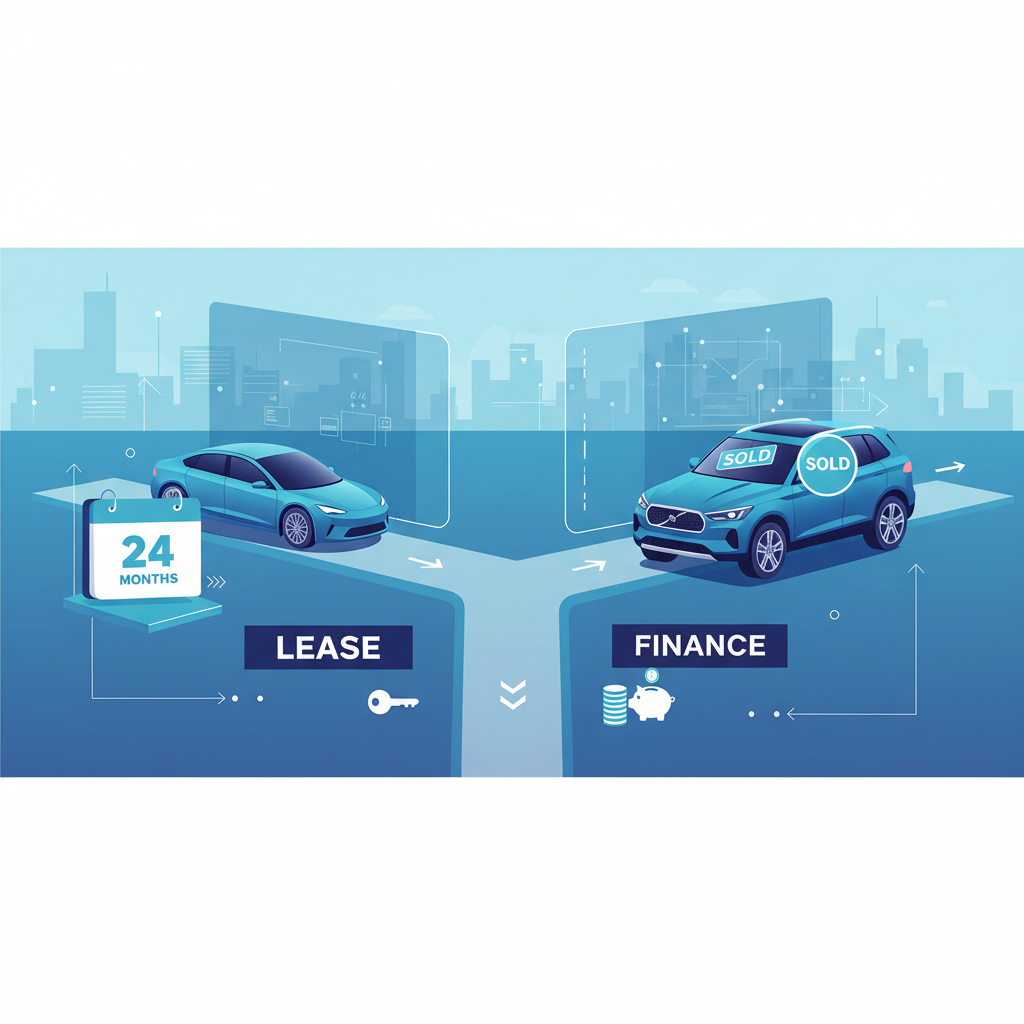
Leasing is an agreement where you pay to use an asset (such as a car, equipment, or property) for a defined period of time without owning it. Monthly payments are usually based on the asset’s expected depreciation during the lease term.
What is Financing?
Financing is the path to ownership. Instead of renting the item, you are borrowing money to buy it.
When you finance something, you take out a loan from a bank, credit union, or the dealership itself. You use that loan to pay for the item in full upfront. Then, you pay back the lender over time with interest.
The key difference here is the end goal. With financing, once you make that final payment, the bank sends you the title or deed. The item is 100% yours to keep, sell, or trade.
Financing a vehicle or a home works on this principle. You are building equity (ownership value) with every check you write. Unlike leasing, there is no requirement to return the asset unless you stop making payments and it gets repossessed.
Auto financing works similarly to other installment loans explained by the Consumer Financial Protection Bureau.
While we often think of financing for cars, people also finance:
Homes: This is called a mortgage.
Furniture: Many stores offer financing plans for sofas or bedroom sets.
Appliances: High-end refrigerators or washer-dryer sets are often financed.
If you ever find yourself needing to move a loan to someone else, it can get tricky. You might wonder if you can Transfer car finance to another person. While possible, it involves specific lender approvals, highlighting how financing ties the debt directly to you until it’s paid or formally transferred.
Financing is an arrangement where you borrow money (often through a bank or lender) to buy an asset. You make monthly payments toward the full purchase price plus interest until the loan is paid off — at which point you own the asset.
Difference Between Lease and Finance (Side-by-Side Comparison)
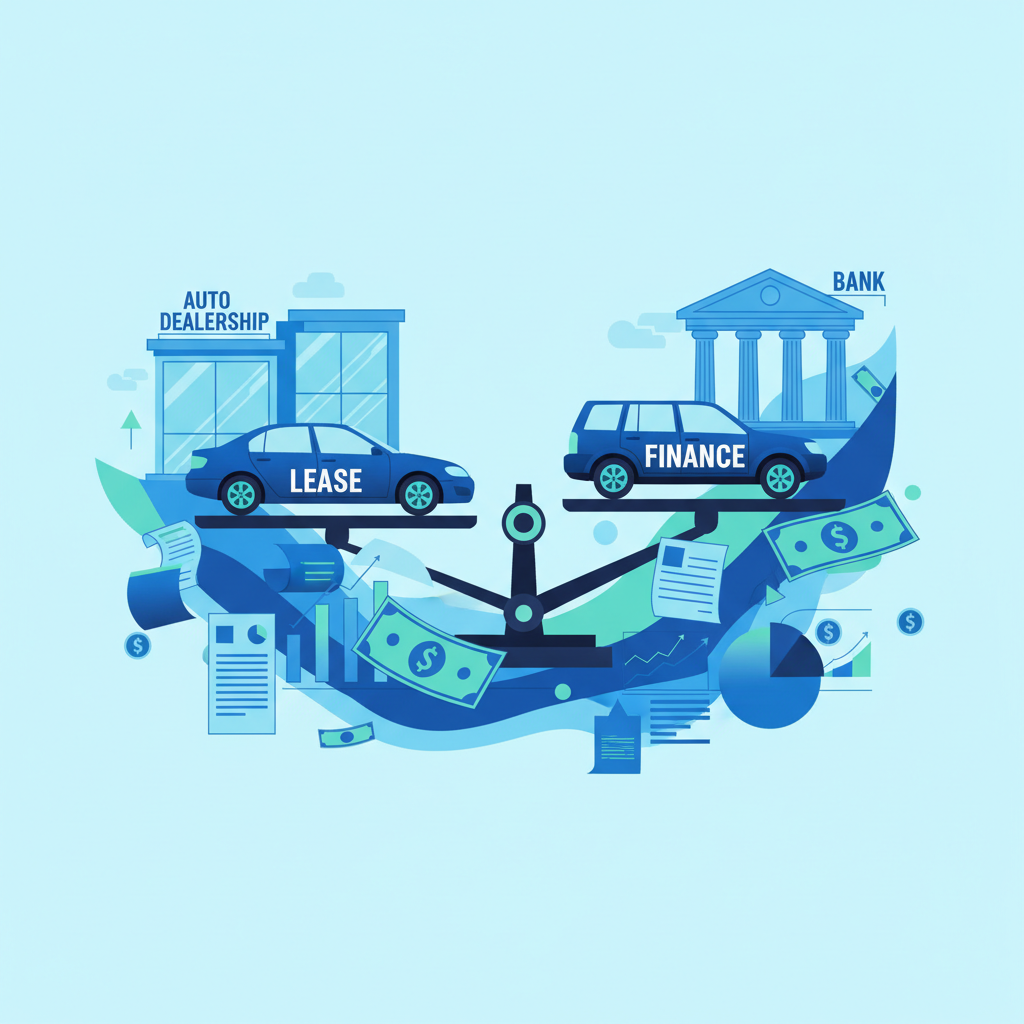
The table below clearly explains the difference between lease and finance, helping you compare costs, ownership, and long-term value at a glance.
Feature
Leasing
Financing
Ownership
No ownership
Full ownership after loan
Monthly Payments
Lower
Higher
Mileage Limits
Yes
No
Customization
Restricted
Unlimited
Long-Term Cost
Higher over time
Lower over time
Asset Value
None at end
Resale value
To really understand the difference between lease and finance, we need to put them side-by-side. It helps to look at this through the lens ofIncome vs. expenses, balancing what comes in against what goes out.
Ownership
This is the big one.
Leasing: You never own the asset during the lease term. The dealership or leasing company holds the title. At the end, you hand the keys back. You are essentially paying for usage.
Financing: You are the owner from day one, though the lender has a lien on the title until the loan is paid off. Once the debt is cleared, you own it free and clear.
Payment Structure
When you compare leasing agreement vs loan payments, the math looks different.
Leasing: Monthly payments are usually lower. Why? Because you are only paying for the difference between the car’s new price and what it will be worth at the end of the lease (its residual value), plus interest (called a money factor).
Financing: Monthly payments are generally higher because you are paying for the entire value of the vehicle, plus interest. However, once the loan is done, your payments stop completely.
Flexibility
Leasing: Leases are rigid. Breaking a lease early usually comes with massive penalties. You are locked in for the term. However, it offers flexibility at the end—you can walk away and get a new car easily.
Financing: You can sell or trade in a financed vehicle at any time. If you owe less than the car is worth, you pocket the cash. If you owe more, you have to pay the difference, but you aren’t legally stuck in a contract regarding time—only regarding the debt.
Long-term vs. Short-term Benefits
Leasing is a short-term game. It keeps costs low right now and lets you switch cars often. Financing is a long-term play. It costs more now but saves you money over 10 years because eventually, you have no car payment at all.
Example: Lease vs Finance With Numbers
Imagine you are deciding between leasing or financing a $25,000 car:
Leasing: 36-month lease with monthly payments of $300 = $10,800 total. At the end, you return the car.
Financing: 60-month loan at $450 per month = $27,000 total. After 60 months, you own the car.
In this simplified example, leasing may cost less monthly, but financing leads to ownership. Which is better depends on your long-term goals.
Benefits of Leasing
Why do so many people choose to lease? It’s not just about driving a shiny car; there are strategic financial reasons.
1. Lower Upfront Costs Leases often require little to no down payment compared to financing. This keeps your cash in your savings account rather than tied up in a depreciating asset.
2. Access to Newer Models If you love having the latest safety features, better gas mileage, or just that “new car smell,” leasing is perfect. Every 3 years, you can upgrade to a brand-new model without the hassle of selling your old one.
3. Reduced Maintenance Responsibilities Because lease terms are short (usually 36 months), the vehicle is almost always covered by the manufacturer’s warranty. If the engine acts up or the transmission fails, the factory pays for it, not you. You just pay for basic upkeep like oil changes and tire rotations.
4. Predictable Budgeting You know exactly what your car expenses will be for the next three years. There are fewer surprise repair bills, which makes monthly budgeting much easier.
Benefits of Financing
On the flip side, financing a vehicle offers freedom and financial equity that leasing cannot match.
1. Full Ownership Once you make that last payment, the car is yours. You can drive it for another ten years payment-free. This is the cheapest way to own a car in the long run. Imagine having an extra $500 a month in your pocket because you aren’t making car payments anymore!
2. No Restrictions Leases come with strict rules. You can’t drive more than a certain number of miles (often 10,000 to 12,000 per year) without paying penalties. You also can’t customize the car. When you finance, it’s yours. Want to paint it purple? Go ahead. Want to drive cross-country three times a year? No one will stop you.
3. Long-term Cost Savings While the monthly payment is higher initially, buying is cheaper over time. If you keep a car for 10 years, you pay for it once. If you lease for 10 years, you are essentially paying for three or four different cars back-to-back, with nothing to show for it at the end.
4. Building Equity Even though cars lose value, a paid-off car is still worth money. You can sell it or trade it in to lower the cost of your next vehicle. A lease return leaves you with zero equity.
When to Choose Leasing Over Financing
Is it better to lease or finance? The answer depends heavily on your lifestyle and your work. For some, leasing is the smarter move.
If you have short-term needs, leasing wins. Maybe you are in a city for a two-year job assignment and need a reliable car, but plan to move overseas afterward. Buying and then selling a car in two years is a hassle and you might lose money on depreciation. A lease solves this neatly.
Leasing is also ideal for those who prefer lower monthly payments to keep their cash flow free for other investments. If you can invest the difference between a lease payment and a loan payment into something that grows, the math might work in your favor.
This is particularly true for gig workers or freelancers.Personalized finance strategies often suggest keeping fixed costs low when income varies. If your income fluctuates, a lower lease payment might feel safer than a high loan payment.
Lastly, if you simply love cars and view them as a subscription service rather than an asset, leasing is for you. If you want the latest tech and hate the idea of driving a 7-year-old vehicle, the lease model supports that lifestyle perfectly.
When to Choose Financing Over Leasing
However, for most people looking to build net worth, financing is the better route.
Choose financing if you plan on long-term use. If you are the type of person who drives a car “until the wheels fall off,” financing is the only logical choice. You pay for the car for 4 or 5 years, and then you drive it for free for the next 5 or 10. That period of “payment-free driving” is a financial sweet spot.
It is also better if you drive a lot. Leases have mileage caps. If you have a long commute or love road trips, those over-mileage fees (which can be 15 to 25 cents per mile) can add up to thousands of dollars at the end of a lease. Financing has no mileage limits.
Finally, choose financing if you want to build equity. Even if a car isn’t an investment like a house, having an asset worth $10,000 is better than having no asset at all. You can sell it in an emergency or use it as a down payment later.
Risks and Considerations to Keep in Mind
Both options have potential downsides:
Leasing: You might face mileage limits, wear-and-tear fees, and no ownership equity.
Financing: Higher monthly payments and long-term financial commitment. If you sell early, you may owe more than the asset’s value.
Understanding these practical differences helps you choose the right path for your financial situation.
How to Decide the Difference Between Lease and Finance for Your Situation
Deciding between an auto lease vs finance deal can feel overwhelming. Here is a step-by-step guide to help you cut through the noise.
1. Assess Your Financial Situation Look at your budget honestly. Can you afford a higher monthly payment now to save money later? Or is your budget tight right now, making a lower lease payment attractive? YourPersonal finance behavior plays a huge role here. Are you disciplined enough to save the difference if you lease? Or will that money just disappear?
2. Determine Your Needs Ask yourself: How long do I keep cars? If the answer is “less than 3 years,” consider leasing. If it’s “more than 5 years,” financing is usually better. Also, check your driving habits. Do you drive more than 12,000 miles a year? If yes, buy the car.
3. Compare Total Costs Don’t just look at the monthly payment. Look at the total cost over 5 years.
Lease: (Monthly payment x Months) + Down payment + Disposition fee.
Finance: (Monthly payment x Months) + Down payment – Resale value of the car. You will often find that financing comes out ahead when you factor in resale value.
4. Consider Lifestyle Factors Do you have kids or pets that might damage the interior? Leases charge for “excess wear and tear.” If you live a messy life, owning the car removes the stress of returning it in pristine condition.
5. Get Budgeting Advice UseBudgeting tips to see how a car payment fits into your larger financial picture. A car is a tool, not your whole life. Ensure your decision doesn’t stop you from saving for retirement or a home.
Common Mistakes to Avoid When Leasing or Financing
Whether you sign a lease or a loan, dealerships are businesses designed to make money. Avoid these traps.
Overlooking Hidden Fees In leasing, watch out for “disposition fees” (a fee just to return the car) and “acquisition fees” (a fee to start the lease). In financing, watch out for extended warranties and “gap insurance” sold at inflated prices. You can often buy these cheaper from your own insurance company.
Choosing Based Solely on Monthly Payments This is the biggest mistake. A dealer can get you a low monthly payment on a purchase by stretching the loan to 84 or 96 months. This is a bad idea because you will pay a fortune in interest. Always negotiate the total price of the car first, not the monthly payment.
Ignoring Long-Term Implications Leasing one car after another means you will have a car payment for the rest of your life. That is hundreds of dollars every month that you can never invest. Financing allows you to eventually stop paying, which is huge for long-term wealth.
Not Reading the Fine Print Never sign a contract you haven’t read. Check the mileage limits on leases. Check the interest rate on loans. Ask “What happens if I want to pay this off early?” Make sure there are no prepayment penalties.
Final Thoughts on the Difference Between Lease and Finance
The difference between lease and finance comes down to ownership versus flexibility. Leasing offers lower monthly payments and convenience, while financing builds long-term value and financial freedom. There is no one-size-fits-all answer — the right choice depends on your income stability, driving habits, and long-term goals. By understanding both options clearly, you can make a decision that supports your financial future instead of draining it.
Frequently Asked Questions
What is the main difference between leasing and financing? The main difference is ownership. Leasing is renting the vehicle for a short term and returning it. Financing is borrowing money to buy the vehicle so you own it completely once the loan is paid off.
Which is cheaper: leasing or financing? In the short term (monthly payments), leasing is usually cheaper. In the long term (total cost over 10 years), financing is almost always cheaper because you eventually own the asset and stop making payments.
Can I switch from leasing to financing? Yes, most leases have a “buyout option.” At the end of your lease (or sometimes during it), you can choose to finance the remaining value of the car and buy it. This is a good option if you realize you love the car and want to keep it.
What happens if I break a lease early? Breaking a lease is very expensive. You usually have to pay a termination fee plus the remaining payments left on the lease. It is generally not recommended unless absolutely necessary.
Is leasing better for businesses? Often, yes. Businesses can frequently deduct lease payments as a business expense more easily than the depreciation of a purchased vehicle. However, tax laws change, so always consult a tax pro.
How does financing affect my credit score? Financing adds a “hard inquiry” to your report initially, which might drop your score slightly. However, making on-time payments every month builds a strong payment history, which boosts your score significantly over time.
Are there tax benefits to leasing or financing? For individuals, generally no. For business owners, both have different tax advantages. Leases are often fully deductible operating expenses, while purchased cars offer depreciation deductions.
Tax treatment of leased or financed vehicles depends on IRS rules for business and personal deductions.
Can I negotiate lease or financing terms? Absolutely. You can negotiate the price of the car (capitalized cost) in a lease just like a purchase. You can also negotiate the interest rate on a loan. Never accept the first offer.
What happens at the end of a lease? You have three choices:
Return the car and walk away.
Return the car and lease a new one.
Buy the car for the residual value stated in your contract.
Is it possible to lease or finance with bad credit? Yes, but it will cost you. Financing with bad credit usually means a much higher interest rate. Leasing with bad credit is harder; you may be required to pay a larger security deposit or higher monthly payments.
Sabir Abdirahman Mohamed is the founder of ThinkFixer and a personal finance and digital growth writer. He helps beginners learn how to save money, build online income streams, and grow blogs or businesses through practical SEO strategies. His content focuses on budgeting, smart money management, realistic ways to make money online, and step-by-step blogging guidance. His mission is to make financial and digital knowledge simple, actionable, and accessible for everyone.