
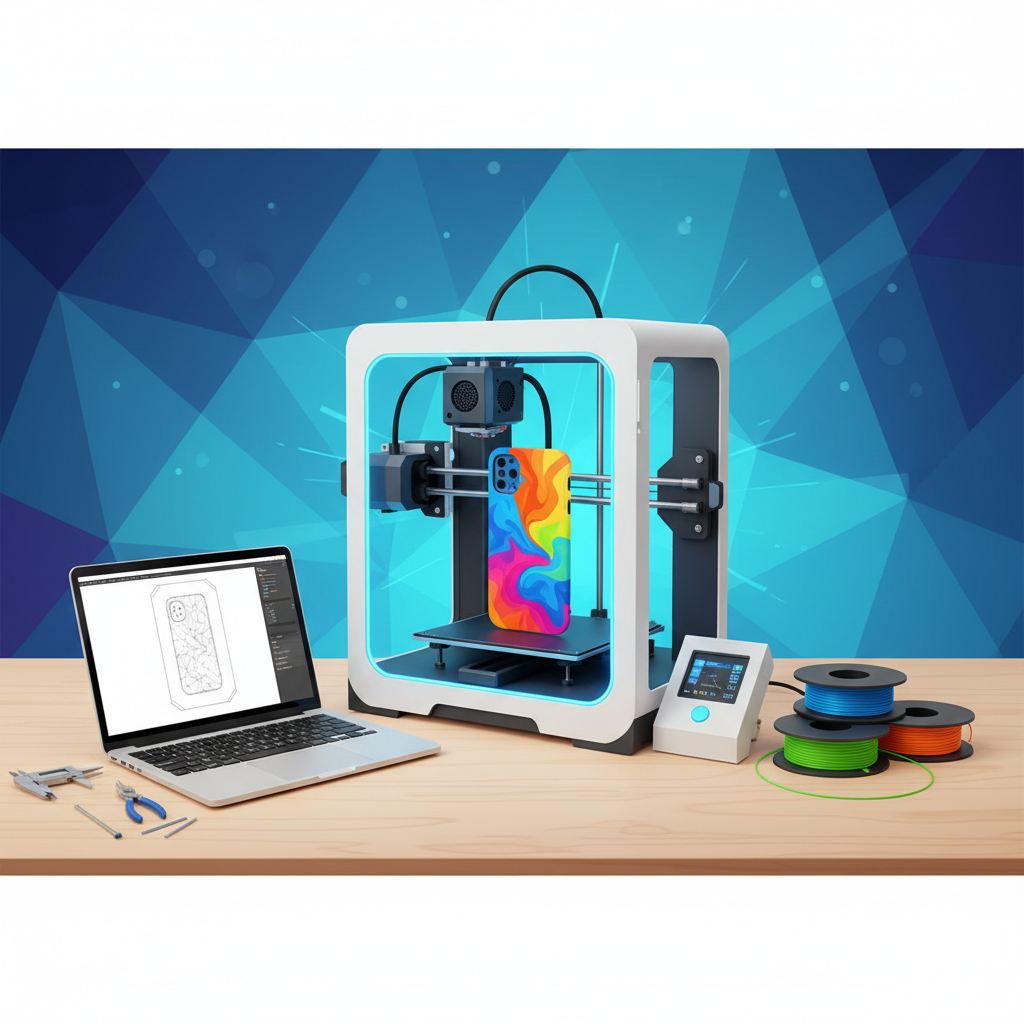
How to Make Money with 3D Printing: A Beginner’s Guide
Have you ever imagined turning a digital design into a physical object right from your desk? That’s the magic of 3D printing. But what if that magic could also fill your bank account? This guide will show you how to transform this incredible technology into a real money-making venture with simple, actionable steps.
Table of Contents
What is 3D Printing?
Think of 3D printing, or additive manufacturing, like building something with tiny, digital Lego blocks. Instead of carving a shape out of a big block of material, a 3D printer builds an object layer by layer from a digital file. It’s like a regular printer, but instead of ink on paper, it uses materials like plastic, resin, or even metal to create a three-dimensional item.
This technology is no longer just for big corporations or sci-fi movies. From creating custom medical implants and car parts to fun phone cases and detailed miniature figures, its applications are everywhere. This rapid growth has opened up a world of income potential for creative individuals looking to start a business from home.
Why 3D Printing is a Great Way to Make Money
You might be wondering, “Is 3D printing profitable?” The short answer is a resounding yes. The demand for unique, customized, and specialized products is booming. People want items that reflect their personality, and 3D printing delivers that on-demand customization in a way mass production simply can’t. This creates a fantastic opportunity for a 3D printing online business.
Compared to many other business ventures, the startup costs are surprisingly low. You don’t need a huge factory or a massive inventory. A reliable desktop printer and some materials can get you started. This accessibility makes it an ideal side hustle or a full-time business you can run from your spare room. It offers incredible flexibility, allowing you to work on your own schedule and even make money traveling if you have a portable setup. It’s a prime example of how you can make money online using modern technology.

Why Making Money with 3D Printing Depends on Your Behavior
Many beginners ask whether 3D printing is profitable, but the real determining factor isn’t the printer — it’s your behavior. Just like personal finance, success in 3D printing depends heavily on discipline, consistency, and decision-making.
Some people buy a 3D printer, print a few test models, then give up when their first prints fail. Others treat 3D printing like a real business: they learn from mistakes, track costs, research niches, and continuously improve their skills. The difference isn’t technology — it’s behavior.
Profitable creators focus on solving problems, not just printing random objects. They validate ideas before printing, price products realistically, and reinvest profits into better materials or marketing. This mindset separates hobbyists from entrepreneurs.
If you approach 3D printing with patience, planning, and a willingness to learn, it can become a reliable income stream. But if you rely on shortcuts or expect instant results, even the best printer won’t make you money. In the end, your habits and decisions determine whether 3D printing becomes a side hustle or a sustainable business.
How to Get Started with 3D Printing
Jumping into the world of 3D printing can feel a bit intimidating, but it’s easier than you think. Breaking it down into a few key steps will put you on the path to success. You need the right machine, some basic design knowledge, and the correct materials. Let’s look at each part of the puzzle.
Choose the Right 3D Printer
Your printer is your most important tool, so choosing the right one is crucial. There are several types, but for beginners, Fused Deposition Modeling (FDM) printers are the most common. They work by melting and extruding a plastic filament, layer by layer. They are affordable, easy to use, and have a wide range of materials available.
Other types include Stereolithography (SLA), which uses a laser to cure liquid resin into hardened plastic. SLA printers offer incredible detail but can be messier and more expensive. Selective Laser Sintering (SLS) uses a laser to fuse powdered material, which is common in industrial settings.
When choosing, consider your budget, the types of objects you want to create, and the materials you plan to use. Do some research, read reviews, and watch videos to find a printer that fits your goals without breaking the bank.
Learn the Basics of 3D Design
You can’t print anything without a design. This design comes in the form of a digital file, typically an STL or OBJ file. While you can download millions of pre-made designs from websites, learning to create your own opens up a whole new level of possibility and profitability.
You don’t need to be a professional engineer to get started. Free, beginner-friendly software like Tinkercad lets you build designs using basic shapes, much like digital building blocks. For those ready for more advanced features, Autodesk Fusion 360 is a powerful tool that is free for hobbyists and startups. Spending some time learning the fundamentals of 3D modeling will give you the power to bring any idea to life.
Source Materials and Tools
Your printer and designs are only two-thirds of the equation; you also need materials to print with. For FDM printers, the most common materials are filaments like PLA and ABS. PLA is a biodegradable plastic that’s easy to work with and comes in countless colors, making it perfect for beginners. ABS is stronger and more durable but can be trickier to print.
Resin for SLA printers also comes in various types, from standard to tough and flexible options. Beyond the printing material, you’ll want a few extra tools for finishing your prints. These can include a set of files or sandpaper for smoothing rough edges, pliers for removing support structures, and paint or primer if you plan to color your creations. Having these on hand will help you produce a professional-quality product.

Top Ways to Make Money with 3D Printing
Once you have your setup ready, it’s time to start earning. The beauty of a 3D printing online business is its versatility. You can sell physical products, digital designs, or even your expertise. Let’s explore some of the most popular and profitable avenues.
Sell Customized Products
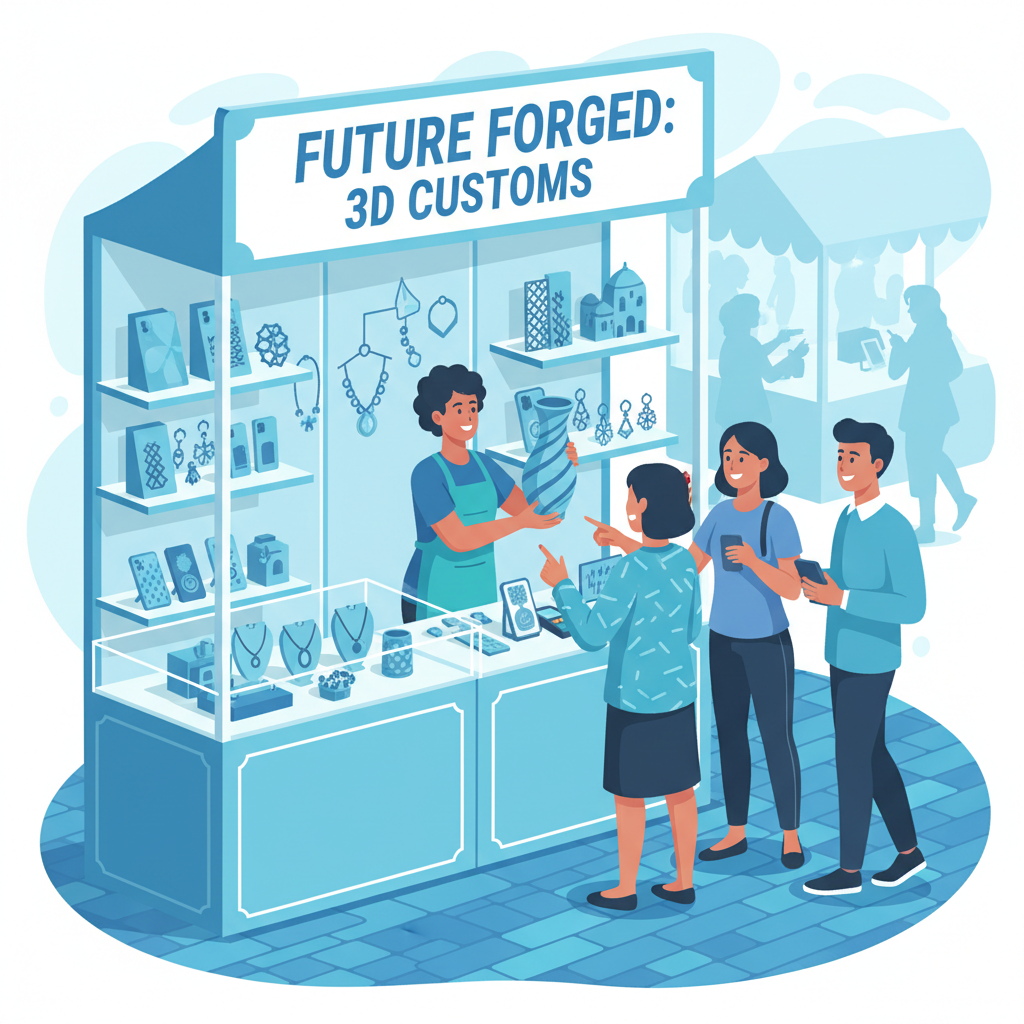
This is one of the most direct ways to make money. People love personalized items, and with a 3D printer, you can offer endless customization. Think of easy 3D printing ideas to sell, such as custom phone cases with names or logos, personalized jewelry, or unique home decor items like planters and vases.
The key to success here is finding a niche. Instead of trying to sell everything, focus on a specific market. For example, you could specialize in creating accessories for board games, custom parts for drones, or cookie cutters in unique shapes. By targeting a specific audience, you can build a reputation as the go-to expert and command higher prices for your specialized products.
Offer Prototyping Services
Every great invention starts with an idea, and every idea needs a prototype. Inventors, engineers, and startups need physical models to test their concepts before investing in expensive manufacturing. This is where you come in. Offering rapid prototyping services can be incredibly lucrative.
You can help a budding entrepreneur create a physical model of their new gadget or work with a small business to develop a custom part. You can market your services on freelance platforms like Upwork and Fiverr or by networking with local startups and engineering firms. Pricing for these services can be based on print time, material usage, and the complexity of the design.
Create and Sell 3D Models
If you enjoy the design process more than the printing itself, you can make money by selling your digital models. Many people own 3D printers but lack the time or skill to create their own designs. You can sell your STL files on online marketplaces like MyMiniFactory, Cults3D, or Etsy.
High-demand designs often include detailed miniature figures for tabletop gaming, functional household items, or intricate art pieces. To succeed, focus on creating high-quality, unique designs that stand out. You might even find some inspiration on secret websites that list niche product demands. Once your design is uploaded, it can become a source of passive income, earning you money every time someone downloads it.
Start a 3D Printing Business
Why not combine these ideas and launch a full-fledged business? You could set up an e-commerce store on a platform like Shopify or Etsy and offer print-on-demand services. This means you only print an item after a customer has placed an order, eliminating the need for a large inventory.
You can also partner with local businesses. For example, an architecture firm might need building models, or a local bakery might want custom cake toppers. By establishing these B2B relationships, you can secure a steady stream of income. A well-run 3D printing online business can scale from a small side hustle into a significant enterprise.
Teach 3D Printing Skills
If you have a knack for teaching, you can monetize your knowledge. As 3D printing becomes more popular, more people are looking for guidance. You can create an online course, host local workshops, or offer one-on-one tutoring.
Platforms like Udemy and Skillshare make it easy to create and sell online courses to a global audience. You could also start a blog or a YouTube channel dedicated to 3D printing tips and tutorials. As your audience grows, you can monetize it through ads, sponsorships, or affiliate marketing. This is a great way to earn money blogging by sharing your passion and expertise with others.
Tips for Marketing Your 3D Printing Business
Creating amazing products is only half the battle; you also need to find customers. Effective marketing will set you apart from the competition and ensure a steady flow of orders. A strong online presence is non-negotiable.
Build an Online Presence
Your online presence is your digital storefront. Start by creating a simple portfolio website to showcase your best work. Include high-quality photos and videos of your prints from multiple angles. You can use a platform like Squarespace or Wix to build a professional-looking site without needing to code.
Social media is also a powerful tool. Platforms like Instagram, TikTok, and Pinterest are highly visual, making them perfect for displaying your 3D-printed creations. Post engaging content, such as time-lapses of your prints, behind-the-scenes looks at your design process, and photos of finished products. This helps build a community around your brand and attract potential customers.
Leverage SEO for Visibility
Search Engine Optimization (SEO) helps customers find you when they search for products or services online. When you create product listings or blog posts, think about the words people would use to find them. Incorporate keywords like “custom 3D printing services,” “buy 3D-printed gifts,” or “personalized phone case.”
Optimizing your website and product descriptions for these keywords will increase your visibility on search engines like Google. If you’re new to online marketing, it’s wise to learn about common pitfalls and avoid mistakes that can hinder your traffic growth. Good SEO is a long-term strategy that brings free, targeted traffic to your business.
Network and Collaborate
Don’t underestimate the power of community. Join 3D printing forums, Facebook groups, and Reddit communities. Participate in discussions, share your work, and offer advice. This is a great way to learn from others and build a reputation as a knowledgeable and helpful member of the community.
Look for opportunities to collaborate. You could partner with an influencer in your niche to review your products or team up with a complementary business for a joint promotion. Networking with other creators and local businesses can open doors to new opportunities and customer bases you wouldn’t have reached on your own.

Challenges and How to Overcome Them
Like any business, a 3D printing venture comes with its own set of challenges. Being prepared for them will help you navigate bumps in the road and keep your business running smoothly. The most common hurdles are technical issues, competition, and pricing.
Failed prints, clogged nozzles, and calibration problems are part of the learning curve. The key is to be patient and treat every issue as a learning opportunity. The online 3D printing community is an invaluable resource for troubleshooting. With a bit of practice, you’ll become adept at diagnosing and fixing most common problems.
The market for 3D-printed goods is growing, and so is the competition. To stand out, focus on quality and uniqueness. Offer exceptional customer service, create products that solve a specific problem, or develop a distinctive artistic style. Don’t try to compete on price alone; instead, compete on value.
Pricing your products can be tricky. You need to cover the cost of materials, electricity, print time, and your own labor, while still remaining competitive. Research what others are charging for similar items, and use an online 3D printing cost calculator to get a baseline. Remember to factor in the value of your design and customization.
Frequently Asked Questions
How much does it cost to start a 3D printing business?
Startup costs can range from a few hundred to a few thousand dollars. A good entry-level FDM printer costs between $200 and $500. You’ll also need to budget for materials (around $20-$30 per spool of filament), basic design software (many are free), and a few finishing tools.
What are the most profitable 3D printing niches?
Profitable niches often cater to passionate hobbyists. These include custom miniatures for tabletop games (like Dungeons & Dragons or Warhammer), cosplay accessories and props, drone parts, and custom modifications for electronics or cars. Personalized home decor and jewelry are also consistently popular.
Do I need technical skills to make money with 3D printing?
You don’t need to be an engineer, but a willingness to learn is essential. Basic technical aptitude will help you operate and maintain the printer. Many modern printers are user-friendly, and there are endless online tutorials to guide you through the process.
How do I price my 3D-printed products?
A common formula is: Material Cost + (Print Time x Hourly Rate) + Post-Processing Time + Shipping. Your hourly rate should account for electricity, printer wear and tear, and your own time and expertise. Researching market prices for similar items is also crucial.
What are the best platforms to sell 3D-printed items?
Etsy is the most popular platform for selling custom and handmade goods. Shopify allows you to create your own independent e-commerce store. For selling digital 3D models, marketplaces like Cults3D and MyMiniFactory are excellent choices.
Can I make money with 3D printing as a beginner?
Absolutely. Start small by printing and selling simple items or existing designs to get a feel for the process. As your skills and confidence grow, you can move on to more complex and customized products. The key is to start and learn as you go.
How do I find customers for my 3D printing business?
Use a mix of online marketing (social media, SEO), networking in hobbyist communities, and listing your products on relevant marketplaces like Etsy. Engaging with potential customers on platforms where they spend their time is the most effective strategy.
What are the legal considerations for selling 3D-printed products?
Be mindful of copyright and intellectual property. You cannot sell prints of designs created by someone else unless the license explicitly allows for commercial use (many designs on sites like Thingiverse are for personal use only). When creating your own designs, ensure they don’t infringe on existing trademarks or patents.
How long does it take to see profits from 3D printing?
This varies widely based on your niche, marketing efforts, and pricing strategy. Some people see a profit within a few months of starting their side hustle, while building a full-time business can take a year or more. Consistency is key to determining if is 3D printing profitable for you.
What are the best resources to learn 3D printing?
YouTube is a treasure trove of tutorials from creators like Maker’s Muse, Thomas Sanladerer, and 3D Printing Nerd. Websites like All3DP and Pinshape offer guides, reviews, and project ideas. Online forums and Reddit’s /r/3Dprinting community are also fantastic places to ask questions and learn from experienced users.
Conclusion: Is 3D Printing a Profitable Way to Make Money?
3D printing is no longer just a hobby — it’s a practical way to build real income with the right approach. Whether you choose to sell customized products, offer prototyping services, create digital designs, or teach your skills online, the opportunities are wide and growing.
Learning how to make money with 3D printing doesn’t require advanced technical knowledge or massive startup costs. What it does require is consistency, creativity, and a willingness to learn from trial and error. Starting small, focusing on a profitable niche, and improving your designs over time can turn a simple home setup into a reliable income stream.
As demand for personalized and on-demand products continues to rise, 3D printing offers long-term potential for beginners and experienced makers alike. If you take action today, refine your process, and market your work effectively, 3D printing can become more than a side hustle — it can become a scalable business.