Income vs Expenses: A Simple, Practical Guide to Mastering Your Money
Introduction
Understanding income vs expenses is one of the most important steps to managing your personal finances. Knowing how much you earn, spend, and save gives you clarity, control, and the ability to plan for both short-term needs and long-term goals. In this guide, we break down these core concepts in simple terms and show you how to master the basics of budgeting and financial awareness.
Important Disclaimer
This article is for educational and informational purposes only and does not constitute financial, legal, or professional advice. The concepts of income vs expenses may vary based on individual financial situations and goals. Always evaluate your own financial circumstances or consult a qualified professional before making major financial decisions.
What Is Income?
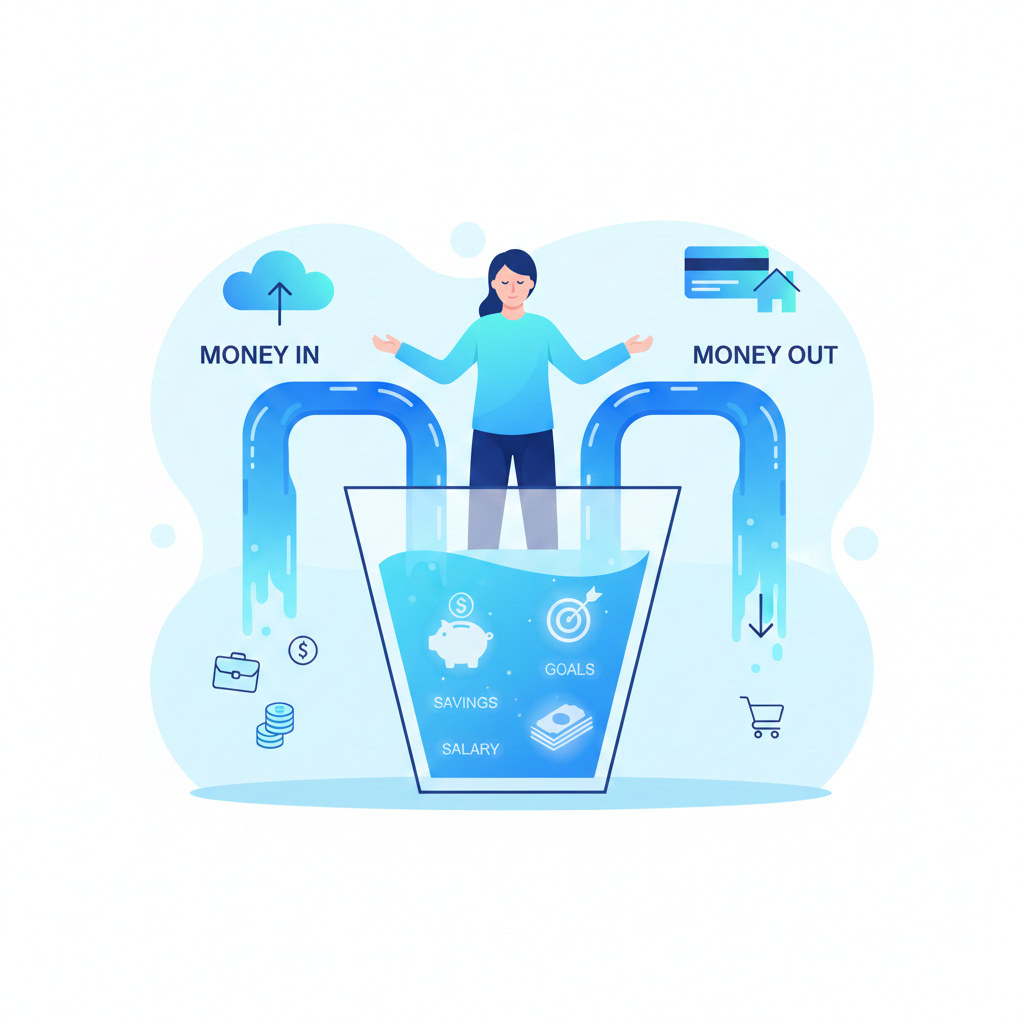
Income is the money that comes in—your money in. Think of it like water flowing into a bucket. The stronger and steadier the flow, the easier it is to meet your needs and plan ahead.
For most people, income starts with paychecks from a job. But it doesn’t stop there. Income can come from side gigs, small businesses, investments, or even occasional sources like refunds or gifts. Some income is predictable and steady. Other income is uneven and changes month to month.
What matters most isn’t just how much income you earn, but how reliable it is and how you use it. When you clearly understand your income streams, you can plan spending, saving, and investing with confidence. Income sets the ceiling for your lifestyle and your ability to grow wealth over time.
Expenses are the money that goes out—your money out or outflow. If income fills the bucket, expenses poke holes in it. Some holes are small and necessary. Others are bigger than you realize.
Expenses include everything you pay for: housing, food, transportation, utilities, subscriptions, and fun spending. Some expenses are fixed and predictable. Others change often or pop up unexpectedly.
The key problem isn’t having expenses—it’s losing track of them. Small daily costs can quietly drain your cash flow, just like a slow leak. When you understand where your money goes, you gain control. Expenses don’t have to be the enemy. Managed well, they support your life instead of stressing it.
Income vs Expenses: Key Differences Explained
Income and expenses work together, but they play very different roles. One fuels your financial engine. The other uses that fuel to move your life forward.
Here’s a simple overview:
Category
Income (Money In)
Expenses (Money Out)
Definition
Money you earn or receive
Money you spend
Direction
Inflow
Outflow
Purpose
Supports needs, savings, growth
Pays for living costs and wants
Control Level
Often limited in the short term
Usually more adjustable
Examples
Salary, business revenue, interest
Rent, groceries, bills, entertainment
Impact on Cash Flow
Increases cash flow
Reduces cash flow
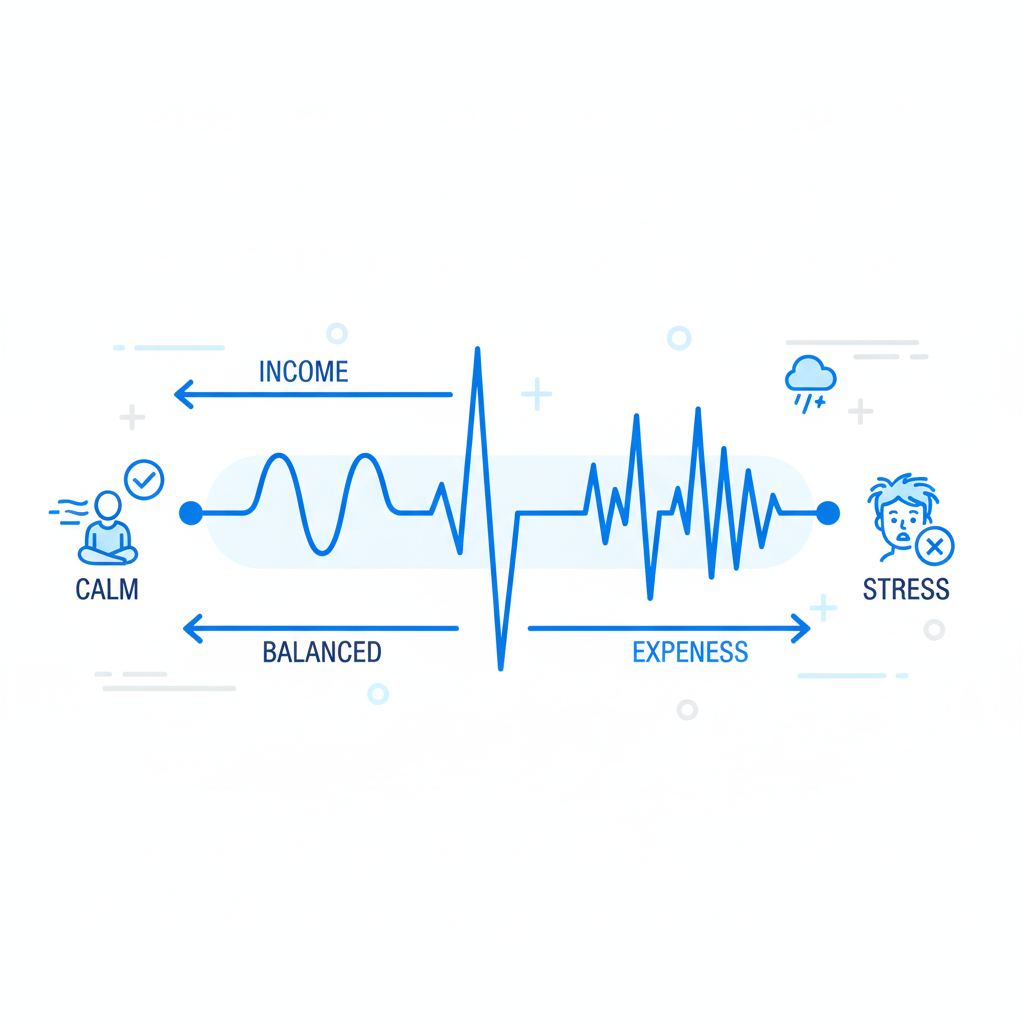
When income is higher than expenses, you build savings and flexibility. When expenses exceed income, debt and stress often follow. Understanding this balance is the core of cash flow management and smart decision-making.
Why Understanding Income vs Expenses Matters
Builds Better Budgets
When you know your numbers, budgeting becomes easier and more realistic. A budget isn’t a punishment—it’s a plan. Clear income and expense tracking helps you design a budget that actually works. For a step-by-step approach
Prevents Debt Traps
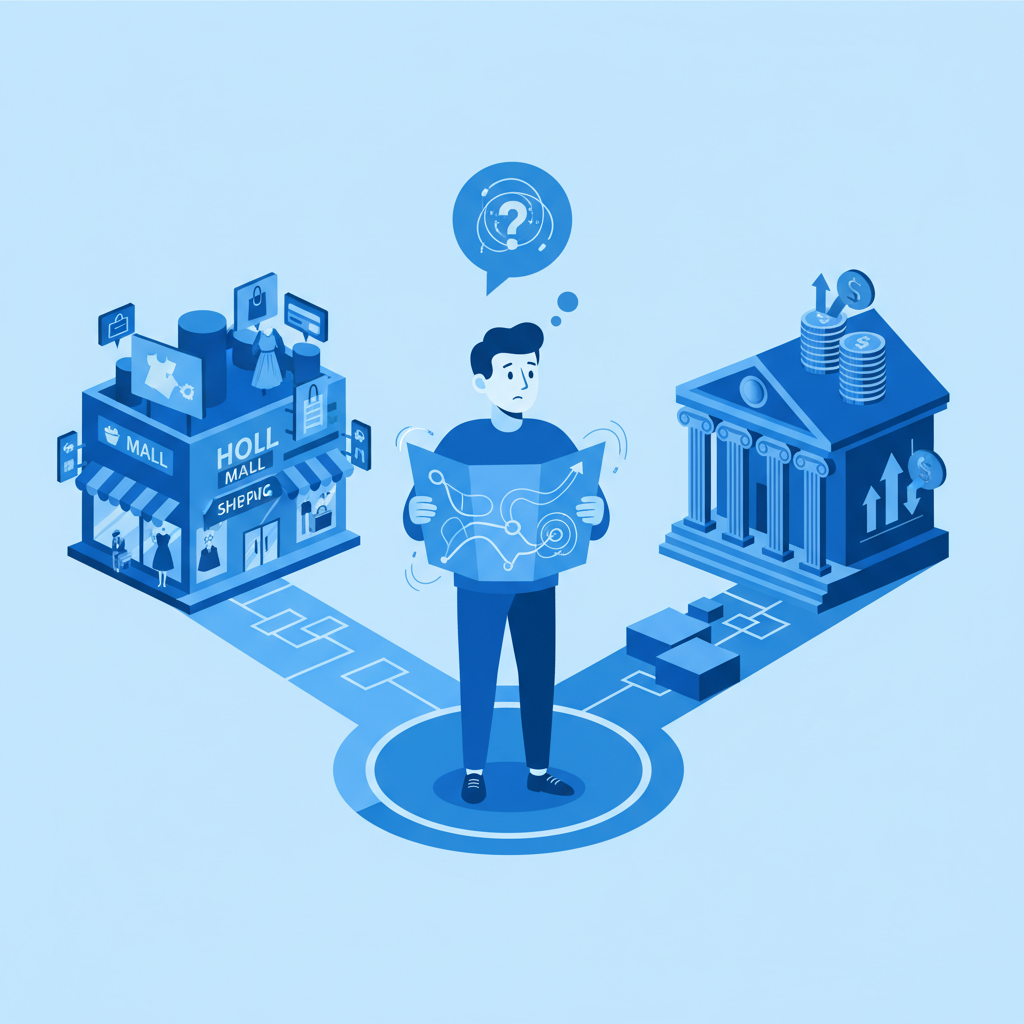
Many people fall into debt not because they earn too little, but because they spend without clarity. Tracking prevents surprises and helps you avoid relying on credit to survive.
Enables Wealth Growth
Savings, investing, and freedom all live in the gap between income and expenses. The bigger and healthier that gap, the faster wealth can grow.
Key Tracking Tips
Track consistently, keep categories simple, and review often. Awareness alone can change spending habits.
How to Start Tracking (Step by Step)
List all income sources
Track all expenses for 30 days
Categorize expenses (fixed / variable)
Compare totals and calculate net cash flow
Review monthly and adjust
Balancing income and expenses is a foundational skill — explore our full guide on money management tips for deeper insights.
Example: Tracking Income vs Expenses
Suppose your monthly income is $3,000 and your expenses are:
Rent: $900
Food: $400
Utilities: $150
Transport: $120
Miscellaneous: $230
Total expenses = $1,800 Net cash flow = $3,000 − $1,800 = $1,200
Types of Income
Not all income looks the same. Knowing the types helps you plan smarter.
Earned Income
Earned income comes from active work. This includes wages, salaries, hourly pay, and freelance fees. It’s usually the main source of money in and often the most reliable. The downside? Time limits it. You only earn when you work.
Passive Income
Passive income flows with less daily effort once set up. Examples include rental income, digital products, or royalties. It’s like planting a tree that keeps giving fruit. It takes effort upfront but can support long-term stability.
Investment Income
This includes dividends, interest, and capital gains. Investment income depends on market performance and patience. It’s a key part of long-term financial planning basics and wealth building.
Other Types
Other income may include bonuses, tax refunds, gifts, or government benefits. These are often irregular, so it’s best not to rely on them for fixed expenses.
Diversifying income streams reduces risk and smooths cash flow when one source slows down.
Types of Expenses
Expenses fall into clear groups. Understanding them helps you make better choices.
Fixed Expenses
Fixed expenses stay mostly the same each month. Think rent, mortgage, insurance, and loan payments. These form the base of your money out. They’re harder to change quickly but important to monitor.
Variable Expenses
Variable expenses change often. Groceries, utilities, fuel, and repairs fit here. These costs offer the most room for adjustment without changing your lifestyle drastically.
Discretionary Expenses
Discretionary expenses are optional. Dining out, entertainment, hobbies, and upgrades fall into this category. These costs add joy but can quietly grow if left unchecked.
Balancing these expense types keeps your outflow aligned with your income and goals.
Common Mistakes to Avoid
✔ Ignoring irregular or annual income ✔ Forgetting variable expenses ✔ Not reviewing budget monthly ✔ Mixing personal and business finances
How to Balance Income and Expenses
Create a Basic Budget
List income first, then expenses. Give every dollar a job.
Cut Unnecessary Spending
Trim costs that don’t add real value. Small cuts can free big cash over time.
Boost Your Income
Side gigs, skills upgrades, or small price increases in business can raise your money in.
Build Emergency Savings
Aim for 3–6 months of basic expenses. This protects your balance during setbacks.
Balance isn’t about perfection. It’s about consistency.
How to Decrease Your Expenses
Reducing expenses doesn’t mean living without joy. It means spending with intention.
Track Every Penny
Awareness is power. Track daily for at least one month.
Slash Variable Costs
Meal planning, energy savings, and smart shopping reduce variable spending quickly.
Pause subscriptions, limit impulse buys, and focus on experiences that truly matter. For more ideas, see how tocut expenses effectively.
How Inflation Affects Income vs Expenses
Inflation quietly raises the cost of living. Your expenses grow even when your habits don’t change. Groceries cost more. Utilities creep up. Services raise prices.
If income doesn’t rise at the same pace, the gap shrinks. Cash flow tightens. This is why tracking matters even more during inflationary times.
To fight inflation, review expenses often, adjust budgets, and look for ways to increase income or efficiency. Inflation isn’t personal—but your response to it can protect your financial health.
Business income includes sales, services, retainers, and commissions. It’s often irregular.
Common Business Expenses
Expenses include rent, software, supplies, marketing, taxes, and payroll.
Key Differences from Personal
Business finances need stricter tracking and separation. Mixing accounts creates confusion.
Tracking Essentials
Track cash flow weekly. Plan for taxes. Keep buffers for slow months. Strong systems support growth.
Tips to Improve Your Financial Health
Track Everything Daily
Short, daily check-ins build awareness without overwhelm.
Build an Emergency Fund
This protects your balance and lowers stress.
Cut Expenses Smartly
Focus on high-impact cuts, not misery.
Boost Income Streams
One extra stream can change everything over time.
Review and Adjust Monthly
Life changes. Your plan should too.
Small actions, done consistently, create big results.
Final Thought
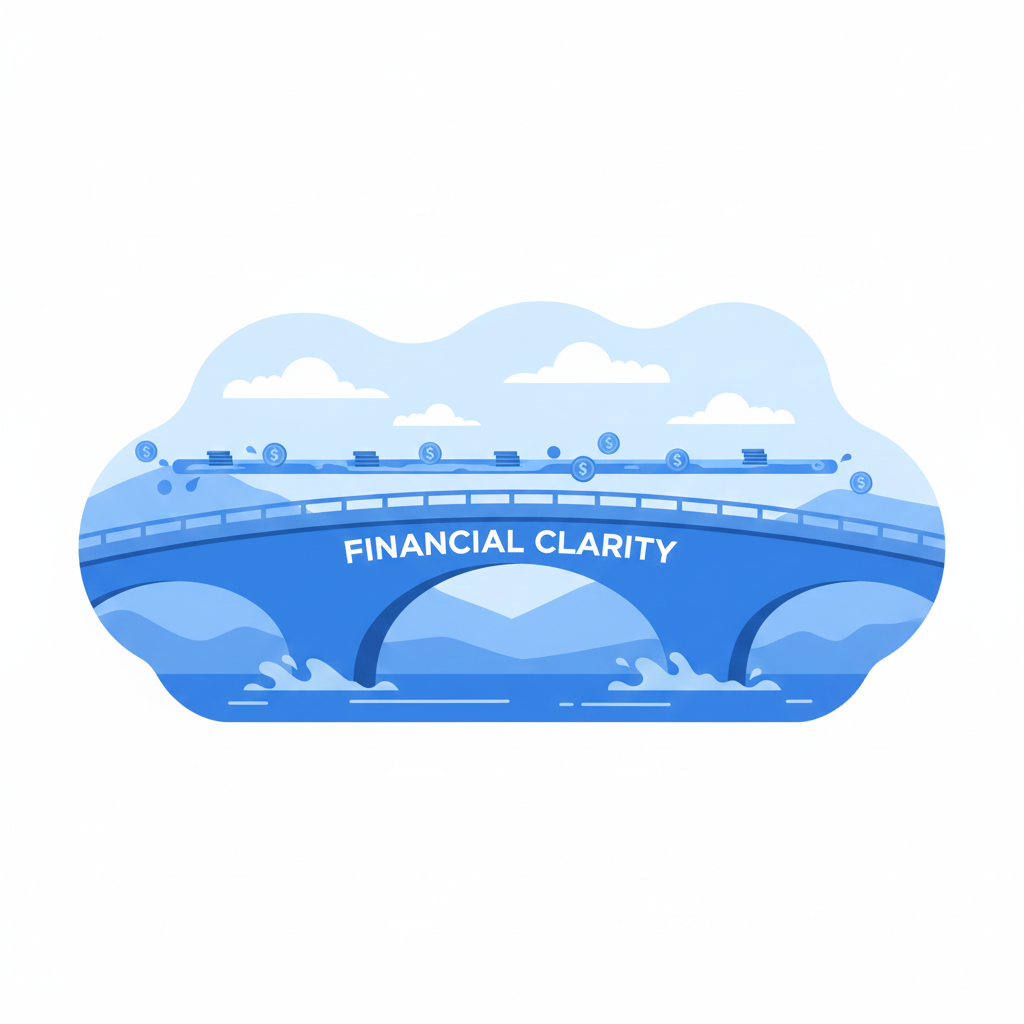
Mastering income vs expenses isn’t about restriction. It’s about clarity. When you understand your money in and money out, you gain control—and with control comes confidence, choice, and a calmer financial life.
Frequently Asked Questions
What is the difference between income and expenses?
Income is money coming in. Expenses are money going out. The gap between them determines savings or debt.
How can I track income and expenses easily?
Use a simple app, spreadsheet, or notebook. Consistency matters more than tools.
What should I do if my expenses are higher than my income?
Cut non-essentials, renegotiate bills, and look for income boosts. Act quickly.
How often should I review my income and expenses?
Monthly reviews work well. Weekly is even better during tight periods.
Sabir Abdirahman Mohamed is the founder of ThinkFixer and a personal finance and digital growth writer. He helps beginners learn how to save money, build online income streams, and grow blogs or businesses through practical SEO strategies. His content focuses on budgeting, smart money management, realistic ways to make money online, and step-by-step blogging guidance. His mission is to make financial and digital knowledge simple, actionable, and accessible for everyone.