Personalized Finance: A Guide for Gig Economy Workers
Gig economy work comes with flexibility and income variability, which makes personalized finance for gig economy workers essential for long-term stability. Unlike traditional employment, gig work often lacks predictable income, benefits, and structured retirement plans. In this guide, we explore tailored financial strategies that gig workers can use to manage irregular earnings, save more effectively, and plan for the future.
Important Disclaimer
This article is for educational and informational purposes only. Personalized finance strategies for gig economy workers depend on income variability, personal goals, expenses, local tax rules, and individual circumstances. Nothing in this article constitutes financial, investment, tax, or professional advice. Always consult a qualified financial or tax professional before making major decisions.
What Is Personalized Finance for Gig Economy Workers?
Personalized finance for gig economy workers refers to money management strategies tailored to income variability, irregular pay schedules, fluctuating expenses, and lack of traditional benefits. It emphasizes flexible budgeting, proactive planning, and tools designed to help independent earners thrive financially.
What is the Gig Economy?
The gig economy is a labor market built on short-term contracts or freelance work, as opposed to permanent jobs. Think of it like being a musician who plays different “gigs” instead of being a full-time member of one orchestra. If you are a delivery driver, a freelance writer, a rideshare driver, or an online creative, you are part of this growing workforce.
This work style offers flexibility and control over your schedule. You can decide when and how much you work. However, this freedom comes with financial irregularity. Unlike a traditional 9-to-5 job with a steady paycheck, gig workers often face unpredictable income streams, making financial planning a unique challenge. Knowing how gig workers manage finances is the first step toward mastering your own.
Personalized finance for gig economy workers is a flexible money management approach designed to handle irregular income, self-employment taxes, and variable expenses while supporting long-term financial goals.
Personalized Finance Strategies for Gig Economy Workers
Personalized finance strategies for gig economy workers focus on flexibility, consistency, and automation rather than rigid rules. Because income can vary from week to week, the goal is to build systems that adjust to cash flow while still supporting long-term financial stability.
One effective strategy is income smoothing. Instead of spending based on your highest-earning months, base your lifestyle on your average or lowest monthly income. During high-income periods, set aside the surplus in a buffer account. This approach protects you during slower months and prevents overspending when earnings spike.
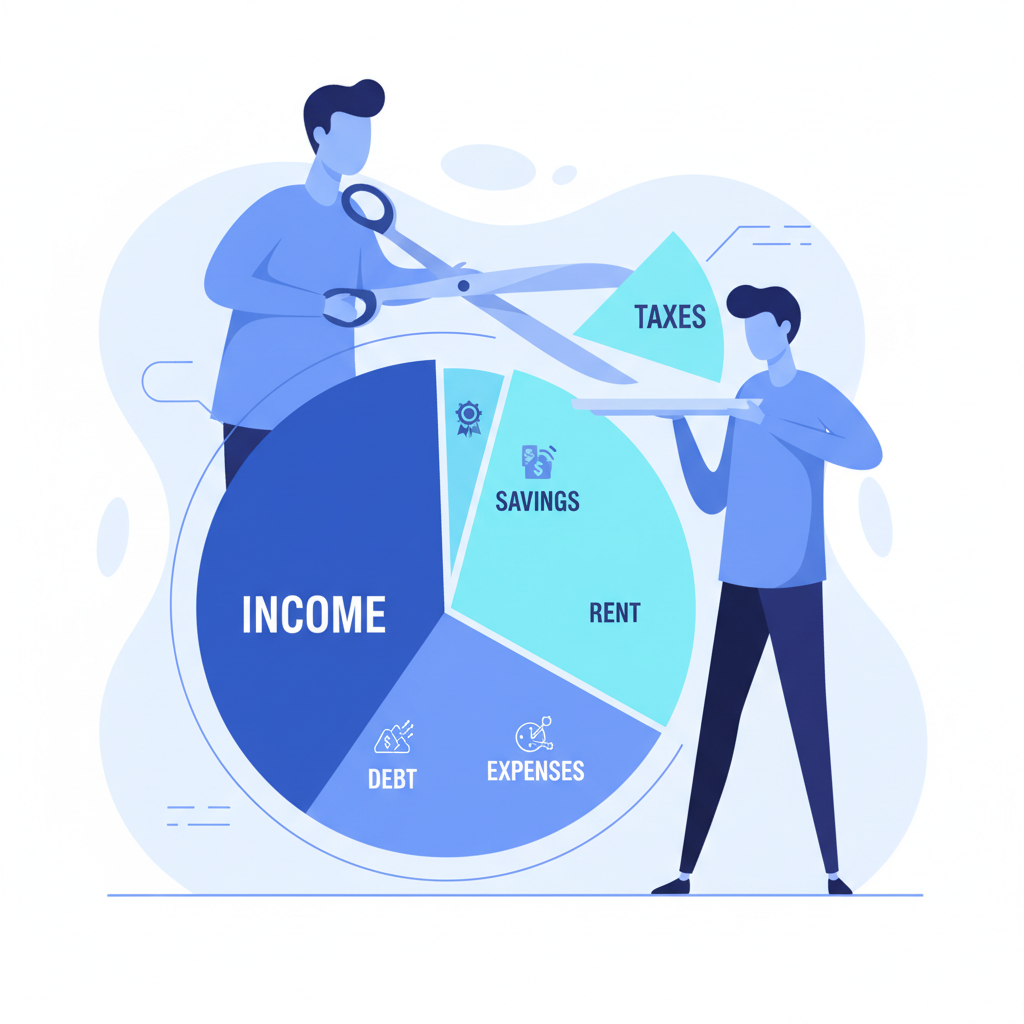
Another essential strategy is percentage-based money allocation. Rather than fixed dollar amounts, allocate percentages of each payment you receive. For example, you might set aside 30% for taxes, 20% for savings, and use the remainder for living expenses. This method adapts naturally to fluctuating income and supports sustainable gig worker budgeting.
Automation also plays a critical role in personalized finance. Automatically transferring money to tax and savings accounts removes emotion and guesswork from financial decisions. According to the IRS guidelines on self-employed tax responsibilities, gig workers must manage their own tax payments and estimated quarterly filings, making proactive tax planning essential.
Finally, gig workers benefit from regular financial reviews. Reviewing income, expenses, and savings goals on a monthly basis allows you to adapt quickly when work volume changes. Financial experts at Investopedia explain that managing irregular income requires consistent tracking and flexible budgeting systems to avoid cash-flow problems.
When combined, these personalized finance strategies help gig economy workers stay in control of their money, reduce financial stress, and build long-term security—regardless of income volatility.
Why Traditional Budgeting Fails Gig Workers
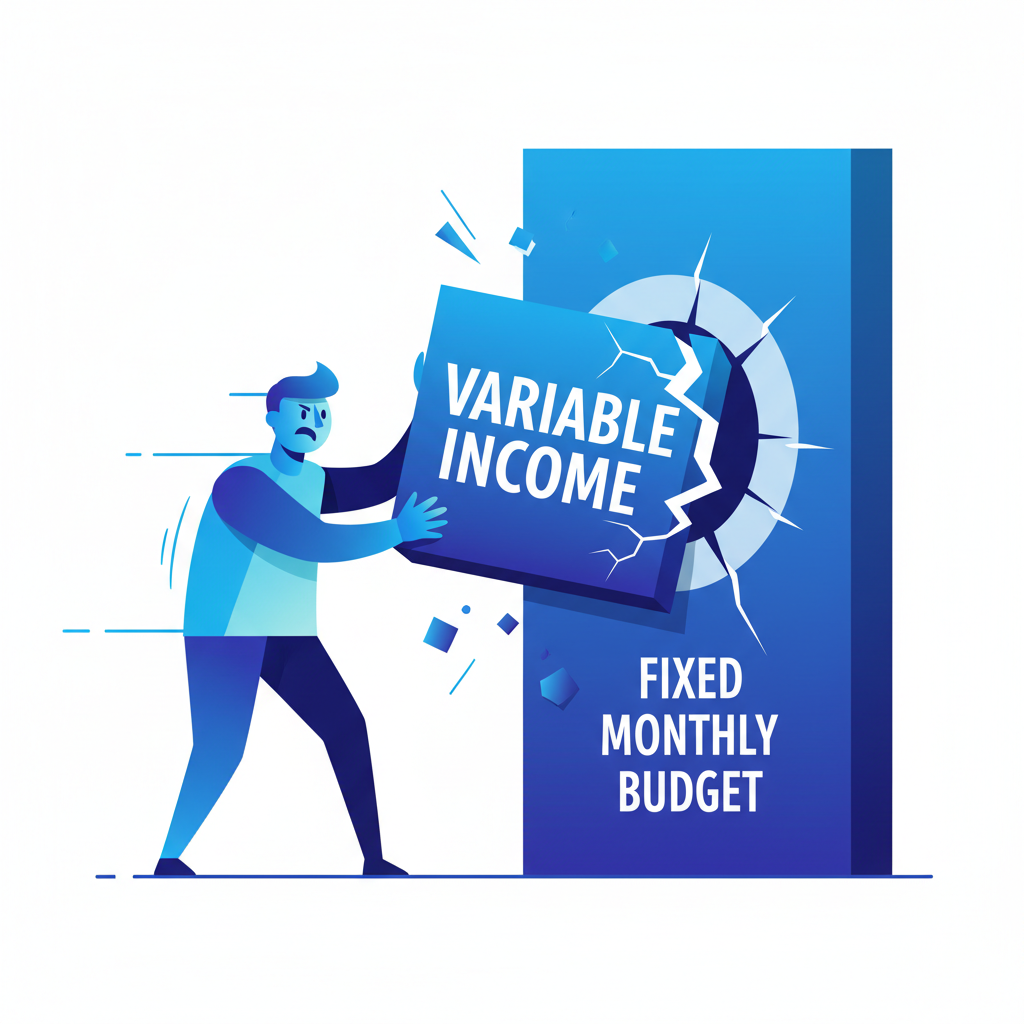
Have you ever tried using a standard monthly budget, only to find it useless by the second week? You’re not alone. Traditional budgets are designed for predictable, fixed incomes. They assume you earn the same amount every month, which simply isn’t true for most gig workers. When your income fluctuates, a rigid budget can quickly become a source of stress rather than a tool for control.
Trying to fit an irregular income into a fixed-expense model is like trying to fit a square peg in a round hole—it just doesn’t work. One month you might exceed your income goals, and the next you might fall short. This unpredictability makes it difficult to plan for bills, savings, and debt repayment. Effective gig worker budgeting requires a more flexible approach that adapts to your financial reality. It’s all about creating a system that works with your variable income, not against it.
How to Create a Personalized Finance Plan
A personalized finance plan is your roadmap to financial stability. It’s a flexible system designed specifically for managing irregular income effectively. Instead of a strict, one-size-fits-all budget, this approach helps you adapt to your cash flow, ensuring you can cover your costs and save for the future, no matter what your monthly earnings look like.
1. Track Your Irregular Income
The first step is to get a clear picture of what you’re actually earning. You can’t manage what you don’t measure. For at least three months, track every dollar that comes in. This doesn’t have to be complicated; a simple spreadsheet or a dedicated app can do the trick. Note the source of the income and the date you received it. This process helps you identify patterns, like which months are typically slower and which are busier. Understanding your income’s rhythm is crucial for forecasting and planning. Over time, you’ll be able to calculate your average monthly income, which serves as a helpful baseline for your financial plan.
2. Calculate Your Baseline Expenses
Next, you need to know where your money is going. Your baseline expenses are the essential costs you must cover every month, regardless of your income. These are often called “fixed expenses.” They include things like rent or mortgage payments, utilities, insurance premiums, and minimum debt payments. List them out and total them up. This number represents the absolute minimum you need to earn each month to stay afloat. Knowing this figure takes the guesswork out of your financial life. When you have a high-income month, you’ll know exactly how much extra you have after covering the essentials. In a low-income month, you’ll know the target you need to hit.
3. Separate Business and Personal Finances
One of the most common mistakes gig workers make is mixing their business and personal money. This can create a massive headache, especially during tax season. Imagine trying to sort through a year’s worth of bank statements to find deductible business expenses—it’s a nightmare. Open a separate checking account for your gig work. All your earnings should go into this account, and all business-related expenses should be paid from it. This creates a clean record, making it easy to track your business’s profitability and simplify tax preparation. It also helps you see your business as a distinct entity, which can shift your mindset toward more professional financial management.
4. Set Realistic Financial Goals
Now that you know your income and expenses, you can set meaningful goals. A goal without a plan is just a wish. Start small. Your first goal might be to build a small emergency fund. From there, you can aim for bigger targets, like paying off a credit card or saving for a down payment. When setting goals, use the “Pay Yourself First” principle: treat your savings contribution as a non-negotiable bill. Decide on a percentage of each payment to set aside—even 5% or 10% makes a huge difference over time. These budgeting tips can provide a clear framework for achieving your financial targets without feeling overwhelmed.
Essential Financial Tools for Gig Workers
Managing finances as a gig worker doesn’t have to be a solo act. The right tools can automate tasks, provide clarity, and save you countless hours. From tracking expenses to sending invoices, these digital assistants are designed to simplify the complexities of an irregular income. Think of them as your personal finance team, working behind the scenes to keep you organized and on track.
1. Budgeting Apps for Variable Income
Standard budgeting apps often fall short for gig workers. You need an app that is built for fluctuating cash flow. Look for apps that allow you to set spending targets based on your actual income for the month, rather than a fixed estimate. Some apps use a digital “envelope” system, where you allocate incoming funds to different spending categories. This flexibility is key to managing irregular income effectively. The best budgeting apps for gig workers also connect directly to your bank accounts, automatically categorizing transactions to give you a real-time view of your spending. For manual planning, a good budget calculator can also be an invaluable asset.
2. Invoicing and Payment Software
Getting paid on time is critical for maintaining healthy cash flow. Professional invoicing software makes this process seamless. These tools allow you to create and send professional-looking invoices in minutes. Many also offer online payment options, making it easier for clients to pay you quickly with a credit card or bank transfer. Some platforms even send automatic payment reminders for overdue invoices, so you don’t have to chase down payments yourself. This not only saves you time but also helps you maintain a professional relationship with your clients.
3. Mileage and Expense Trackers
If you use your vehicle for work or have other business-related expenses, tracking them is essential for maximizing your tax deductions. A mileage tracking app uses your phone’s GPS to automatically log your drives, allowing you to easily separate business trips from personal ones. At the end of the year, the app generates a report that you can use for your tax return. Similarly, expense tracking apps let you snap photos of receipts and automatically categorize them. This eliminates the need for a shoebox full of crumpled paper and ensures you don’t miss out on valuable deductions.
Using a budget calculator designed for irregular income can help gig workers plan expenses more accurately.
Tools and Apps That Can Help
✔ Budgeting & Tracking: Mint, YNAB (You Need A Budget), or Personal Capital ✔ Income Tracking: QuickBooks Self-Employed or Wave ✔ Savings Automation: Digit or Qapital ✔ Tax Planning: TurboTax Self-Employed, H&R Block ✔ Invoice Management: FreshBooks or Square Invoices
Using the right tools can help gig workers organize income and plan for irregular cash flow.
Tips for Managing Taxes as a Gig Worker
Taxes are one of the biggest financial hurdles for gig workers. When you’re self-employed, you’re responsible for paying your own taxes—and it’s more than just an annual affair. Understanding your obligations is the key to avoiding a surprise tax bill and staying on the right side of the IRS. Gig worker budgeting must always account for taxes.
1. Understanding Self-Employment Tax
As a gig worker, you are considered a small business owner by the IRS. This means you have to pay self-employment tax, which covers your Social Security and Medicare contributions. For traditional employees, the employer pays half of these taxes. When you’re self-employed, you are responsible for the entire amount. This is in addition to your regular income tax. It’s a critical detail that many new gig workers overlook, leading to unexpected financial stress.
2. Setting Aside Money for Quarterly Payments
Because taxes aren’t automatically withheld from your pay, you need to set aside money from every payment you receive. A good rule of thumb is to save 25-30% of your net earnings for taxes. This might seem high, but it’s better to over-save and get a refund than to under-save and owe a large sum. You are also required to pay estimated taxes to the IRS four times a year (in April, June, September, and January). These quarterly payments help you stay current on your tax obligations and avoid penalties for underpayment.
3. Tracking Deductible Expenses
The good news is that as a business owner, you can deduct ordinary and necessary business expenses to lower your taxable income. This is where separating your finances and using tracking tools really pays off. Common deductions for gig workers include a portion of your home office costs, software subscriptions, marketing expenses, vehicle mileage, and professional development courses. Keep meticulous records of these expenses throughout the year. Every dollar you deduct is a dollar you don’t have to pay taxes on.
Tax Planning Tips for Gig Workers
Estimate quarterly tax payments: Freelancers and gig workers usually pay quarterly estimated taxes to avoid penalties.
Track business deductions: Expenses like home office proportion, internet costs, mileage, and supplies may be tax-deductible.
Use tax apps: Tools like TurboTax or QuickBooks Self-Employed help calculate estimated taxes and deductions.
Always consult a tax advisor to ensure deductions are claimed correctly and tax payments are on schedule.
How to Build Savings with an Unpredictable Income
Saving money with a fluctuating income can feel like trying to hit a moving target. Some months you have plenty of extra cash, while others are tight. The key is to build a system that adapts to these ups and downs. A consistent savings strategy, even with a variable income, is the foundation of long-term financial health.
1. Create an Emergency Fund
An emergency fund is your financial safety net. It’s a stash of cash set aside for unexpected events, like a car repair, a medical bill, or a month of low income. For gig workers, an emergency fund is not just a good idea—it’s essential. Aim to save at least three to six months’ worth of your baseline living expenses. This fund gives you breathing room, so a slow month doesn’t turn into a financial crisis. Building a solid money routine is the most reliable way to fund this account consistently.
2. Automate Savings When Possible
Automation is your best friend when it comes to saving. When you have a good month, it’s tempting to spend the extra cash. Automating your savings helps you resist that temptation. Set up automatic transfers from your business checking account to your savings account. You could transfer a fixed amount each week or use an app that analyzes your income and automatically moves small amounts of money into savings for you. This “set it and forget it” approach builds your savings without requiring constant effort.
3. Use the “Pay Yourself First” Method
This simple but powerful concept involves treating your savings as a top-priority bill. Before you pay for anything else, pay yourself. When you receive a payment from a client, immediately transfer a portion of it to your savings accounts (one for taxes, one for emergencies, and one for long-term goals). By prioritizing savings, you ensure that you are always working toward your financial goals. It shifts your mindset from saving what’s left over to spending what’s left after you save.
Example: Average Income Planning
If a gig worker earns $2,000 one month and $3,200 the next, they might:
Set a baseline budget based on the lowest expected monthly income
Allocate variable income toward savings or investments
Keep a minimum emergency buffer to cover slow months
This type of prioritization helps maintain financial stability despite income swings.
Savings and Emergency Funds for Gig Workers
Because cash flow can vary, setting up a sliding emergency fund goal is smart. Rather than tracking rigid savings percentages, gig workers may set:
Minimum Target: Enough to cover 1 month of essential expenses
Stretch Target: 3–6 months of essentials
Having a tiered goal helps maintain motivation and flexibility.
Conclusion
Personalized finance for gig economy workers is not about rigid rules — it’s about flexibility, awareness, and smart systems. By tracking income, separating finances, planning for taxes, and using the right tools, gig workers can turn unpredictable income into long-term financial stability. With the right strategy, financial freedom is not just possible — it’s achievable.
According to data from Pew Research, the gig economy has grown steadily, with many independent workers facing unique financial planning challenges that differ from traditional employment structures.
Frequently Asked Questions (FAQ)
Navigating the world of gig work finance can bring up a lot of questions. Here are answers to some of the most common ones.
How much should a gig worker save for taxes?
A safe estimate is to set aside 25-30% of your net self-employment income for taxes. This percentage covers federal and state income taxes, as well as self-employment tax (Social Security and Medicare). The exact amount depends on your income level and the state you live in, but this range is a solid starting point to avoid a surprise tax bill.
What’s the best way to handle a month with low income?
This is where your emergency fund becomes your hero. During a slow month, you can draw from your emergency fund to cover your baseline expenses without going into debt. It’s also a good time to focus on marketing your services, networking, or exploring additional income streams to get your cash flow back on track for the following month.
Should I open a separate bank account for my gig work?
Absolutely. Opening a separate business bank account is one of the most important things you can do to manage your finances. It makes tracking income and expenses much simpler, which is crucial for tax purposes and for understanding your business’s profitability. It also creates a professional separation between your personal and work life.
How do I plan for retirement without a 401(k)?
Gig workers have several great options for retirement savings. A SEP IRA or a Solo 401(k) allows you to contribute a significant portion of your self-employment income, and your contributions are tax-deductible. A Traditional or Roth IRA is another excellent choice. The key is to start contributing consistently, no matter how small the amount.
Are there apps that can help me manage my finances automatically?
Yes, there are many apps designed to help with gig worker budgeting. Some apps automatically track your income and expenses, help you estimate quarterly taxes, and even log mileage for deductions. These tools can automate the most tedious parts of financial management, giving you more time to focus on your work.
What are the most common financial mistakes gig workers make?
The most common mistakes include not saving enough for taxes, mixing personal and business finances, and failing to build an emergency fund. Another big one is inconsistent income tracking, which makes it impossible to create a realistic financial plan.
How can I get a loan or mortgage as a gig worker?
Getting a loan with an irregular income requires more documentation than it does for a traditional employee. Lenders will typically want to see at least two years of tax returns to verify your income. They’ll also look at your credit score and your debt-to-income ratio. Keeping clean, organized financial records is your best strategy for proving your creditworthiness.
Personalized finance for gig economy workers is a flexible money management approach designed to handle irregular income, self-employment taxes, and variable expenses while supporting long-term financial goals.
Sabir Abdirahman Mohamed is the founder of ThinkFixer and a personal finance and digital growth writer. He helps beginners learn how to save money, build online income streams, and grow blogs or businesses through practical SEO strategies. His content focuses on budgeting, smart money management, realistic ways to make money online, and step-by-step blogging guidance. His mission is to make financial and digital knowledge simple, actionable, and accessible for everyone.