Is Quant Finance at Risk from AI? A Simple Guide for Beginners
Introduction
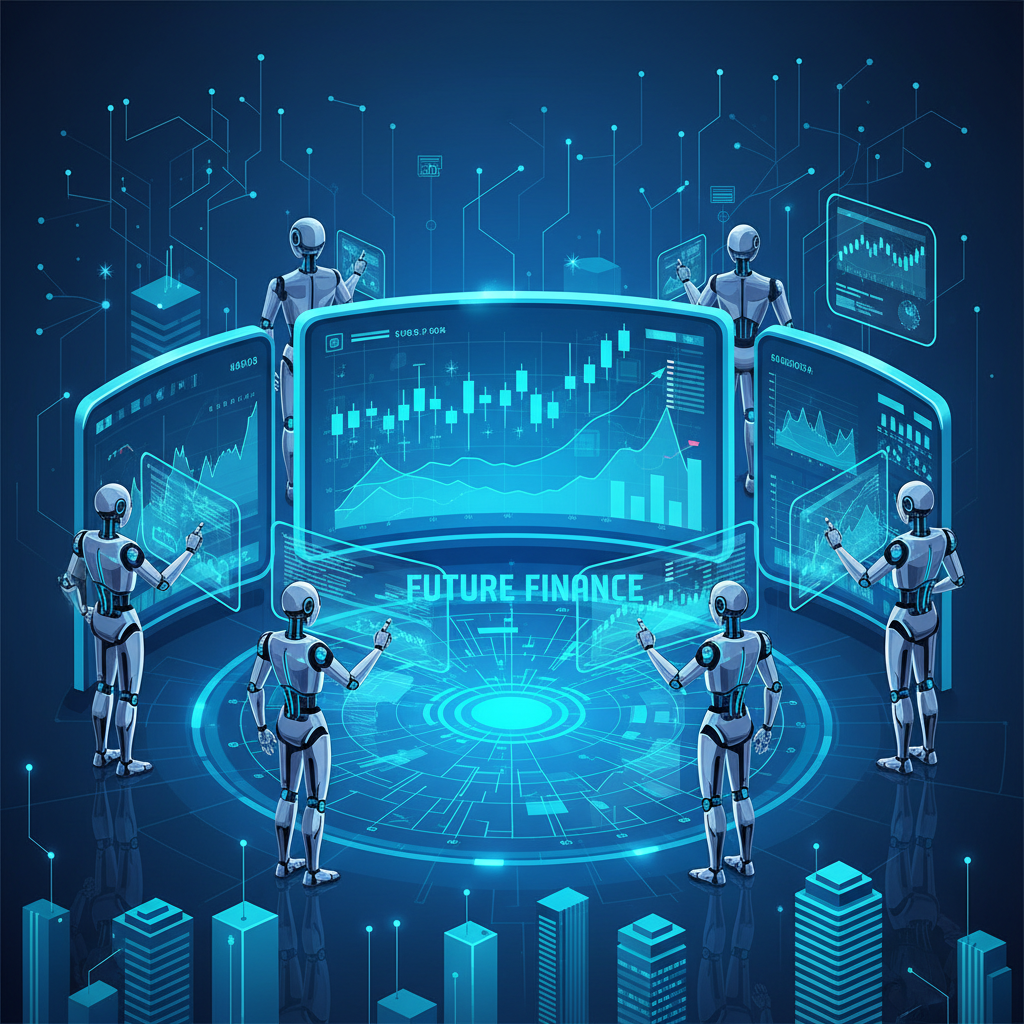
Have you noticed how artificial intelligence seems to be everywhere lately? From writing emails to recommending movies, it is becoming increasingly integrated into daily life. But what about money? Specifically, is quant finance at risk from AI? Let’s explore how AI systems are influencing financial markets and why understanding this matters for your own wallet.
Important Disclaimer
This article is for educational and informational purposes only. It does not constitute financial, investment, or professional advice. Quantitative finance and AI-driven trading involve significant risk, and outcomes vary depending on market conditions, strategy design, and risk management practices. Always consult a qualified financial professional before making investment decisions.
Table of Contents
What is Quant Finance?
Before we dive into the futuristic world of AI, let’s strip away the jargon and look at what “quant finance” actually means.
Think of quant finance (short for quantitative finance) as the science of money. Instead of relying on gut feelings or hot tips from a neighbor, “quants” use math and statistics to make decisions. Imagine you have a massive spreadsheet with millions of numbers representing stock prices, interest rates, and economic data. A human would take years to read it. A quant builds a mathematical model—like a complex recipe—to sift through that data and find patterns.
These models tell investors when to buy or sell. For example, a model might notice that every time it rains in London on a Tuesday, coffee stocks go up (that’s a silly example, but it illustrates the point). Quants use these insights to manage huge amounts of money.
For you, this matters because even if you don’t hire a quant, the mutual funds or retirement accounts you own probably use these strategies behind the scenes. It’s the engine under the hood of modern investing.
How Quant Finance Actually Works (Simplified for Beginners)
Quantitative finance uses mathematical models, statistical analysis, and programming to identify patterns in financial markets. Professionals in this field — often called “quants” — build models to:
Price complex financial instruments
Manage portfolio risk
Detect trading opportunities
Optimize asset allocation
Many quant models rely on historical data, probability theory, and structured risk controls. AI is now being integrated into these systems, but it does not replace the mathematical foundations of quant finance — it enhances data processing capabilities.
What is AI in Finance?
Now, let’s add Artificial Intelligence (AI) to the mix. If quant finance is a complex recipe, AI is a master chef who can invent new recipes on the fly.
AI in finance involves using computer programs that can learn and adapt. Traditional software does exactly what you tell it to do. AI, specifically machine learning, looks at data and figures out its own rules. It’s like teaching a computer to play chess; eventually, it might make moves you never taught it.
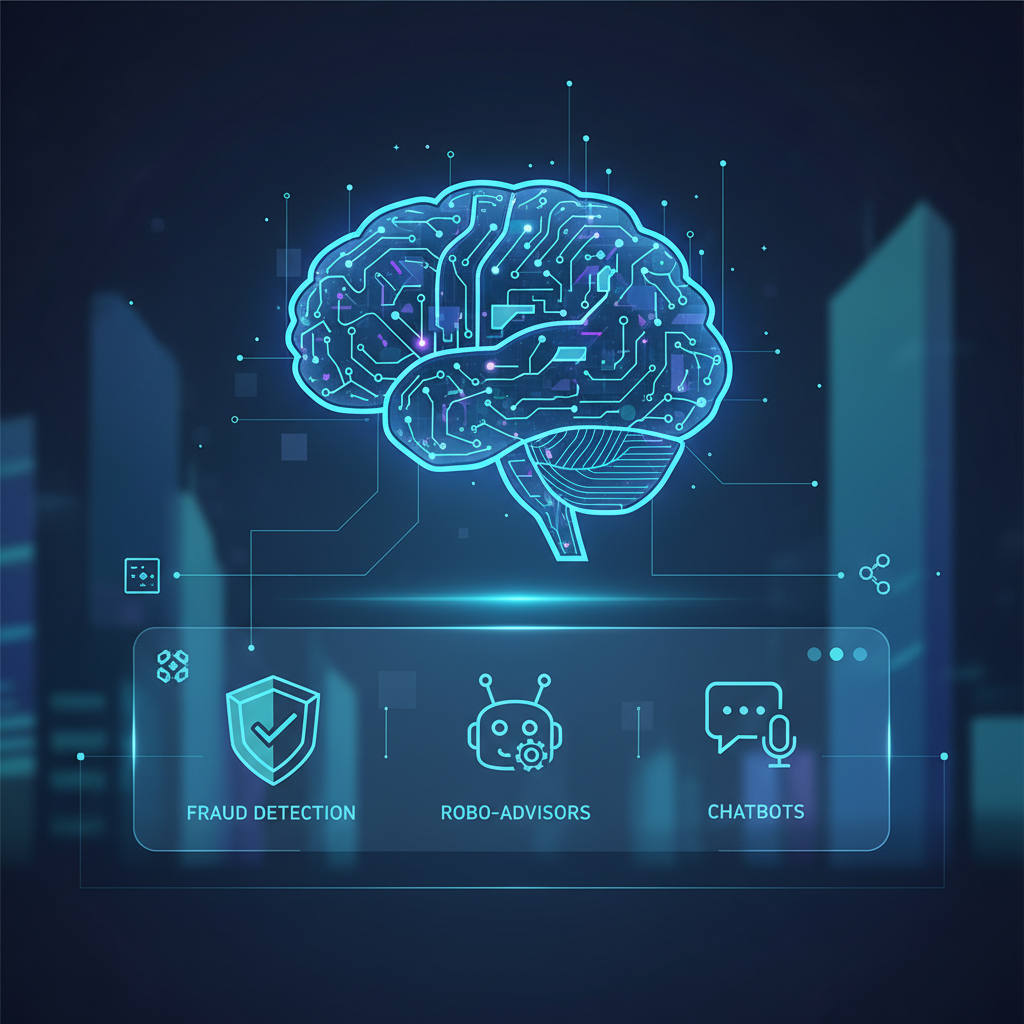
In the financial world, you see AI everywhere:
Fraud Detection: Your bank might text you if a transaction looks weird. That’s AI spotting a pattern that doesn’t match your usual spending.
Chatbots: Those customer service assistants on banking apps? That’s AI trying to understand your questions.
Robo-Advisors: These are platforms that automatically invest your money based on your goals.
The industry is seeing a massive shift toward machine learning in quantitative finance. Banks and hedge funds are building more advanced systems. It’s no longer just about math; it’s about systems that can process financial data much faster than humans.
Many financial institutions now rely on artificial intelligence systems to analyze data, automate processes, and improve decision-making. According to IBM’s explanation of AI in financial services, AI is commonly used for fraud detection, risk modeling, and portfolio management.
Is Quant Finance at Risk from AI in the Long Term?
In the long term, quant finance is not disappearing—but it is definitely evolving. AI is becoming more powerful every year, yet it still depends heavily on human direction. Algorithms can process massive datasets and detect patterns, but they cannot fully understand economic context, human behavior, or ethical consequences.
Instead of replacing quant professionals, AI is reshaping their roles. Future quantitative analysts will focus less on manual modeling and more on supervising AI systems, validating outputs, and making judgment calls during uncertain market conditions. This human-in-the-loop approach reduces the risk of blind automation and improves decision quality.
Over time, firms that combine AI efficiency with human insight will likely outperform those that rely on either one alone. So while AI will continue to disrupt quant finance, it is more accurate to say the industry is transforming, not collapsing.
How AI is Transforming Quant Finance
The combination of math and machine learning is significantly transforming the industry. The future of quant finance with AI looks very different from the past. Here is how AI is upgrading the toolbox.
1. Supercharged Data Analysis
In the past, analysts looked at spreadsheets. Today, AI can “read” news articles, listen to earnings calls, and even analyze satellite images of parking lots to predict how well a store is doing. This is called “alternative data.” Humans can’t process millions of news headlines quickly, but AI can analyze them efficiently, offering deeper insights for data-driven decision making.
2. Algorithmic Trading on Steroids
You might have heard of algorithmic trading—computers buying and selling stocks automatically. With AI, these algorithms aren’t just following rules; they are learning. They can adapt to changing market conditions in milliseconds. If the market crashes, an AI trader might switch strategies instantly to protect money, much faster than a human trader could hit the “sell” button.
3. Smarter Risk Management
Risk is the boogeyman of investing. Everyone wants to make money, but nobody wants to lose it. AI is excellent at playing defense. It can simulate thousands of “what if” scenarios—like a global pandemic or a sudden oil crisis—to predict how a portfolio would handle stress. This helps institutions build safer investment strategies.
However, this transformation brings us to the big question: Will AI replace quantitative analysts? While AI handles the heavy lifting, humans are still needed to design the systems and make sense of the results. But the role is definitely changing.
What Industry Experts Say About AI and Quant Finance
Most financial institutions are not replacing quant professionals with AI. Instead, they are combining traditional quantitative models with machine learning systems.
AI can improve:
Pattern recognition in large datasets
Real-time risk monitoring
Sentiment analysis from news and alternative data
However, experts emphasize that human oversight remains critical. AI models can suffer from:
Model overfitting
Data bias
Lack of explainability
Systemic risk amplification during market stress
For this reason, regulators and financial institutions continue to require human supervision in AI-driven trading systems.
Potential Risks of AI in Quant Finance
While AI sounds like a superhero for finance, every superhero has a weakness. The AI impact on quant finance isn’t all positive. There are serious risks that experts are worried about, and you should be aware of them too.
Over-Reliance on AI
Imagine a self-driving car. If you trust it completely and stop paying attention to the road, you might crash if the computer makes a mistake. The same happens in finance. If banks and funds trust AI models blindly, they might miss warning signs that a human would spot. This is sometimes called “black box” risk—the computer gives an answer, but nobody knows exactly why or how it reached that conclusion. If we don’t understand the decision, we can’t fix it when it goes wrong.
Bias in Algorithms
AI learns from history. If the historical data is biased or incomplete, the AI’s decisions will be too. For example, if an AI is trained on data from a time when the economy was booming, it might not know how to handle a recession. It might keep buying stocks aggressively even when the market is crashing, leading to huge losses.
Market Instability
Because AI systems are so fast, they can react to news instantly. But what if all the AI systems react the same way at the same time? If every AI program decides to sell a certain stock at the exact same second, it could cause a “flash crash,” where prices plummet in moments. This herd mentality can make markets much more volatile and dangerous.
Cybersecurity Threats
AI systems live on computers, and computers can be hacked. Bad actors could potentially manipulate the data an AI uses, tricking it into making bad trades. Or, they could find ways to “game” the algorithm to steal money. As finance becomes more digital, the risk of sophisticated cyber-attacks grows.
How AI Risks Could Impact Personal Finance
You might be thinking, “I’m not a Wall Street banker, so why do I care?” The truth is, the risks in quant finance trickle down to regular people.
Increased Market Volatility
If AI-driven trading contributes to increased market volatility, your retirement accounts may experience larger price swings. You might check your balance one day and see it’s down significantly, not because a company failed, but because algorithms got spooked. This unpredictability can cause significantfinancial stress for families trying to plan for the future.
Unintended Consequences
Many pension funds and mutual funds use quant strategies. If an AI model fails or makes a bad bet due to a glitch, it’s not the robot losing money—it’s the people invested in that fund. In rare situations, algorithmic errors can result in significant financial losses before corrections are implemented.
Fraud and Scams
On a more personal level, the same AI technology used by banks is available to scammers. We are seeing a rise in sophisticated phishing emails written by AI that look incredibly real. Scammers can also use “deepfake” voice technology to impersonate family members or bank officials to steal your information.
If you are already living tight and trying tosave money, falling victim to an AI-driven scam or losing retirement funds to a market glitch can be devastating.
How to Protect Yourself from AI-Related Risks in Finance
The world of AI finance can seem scary, but you don’t have to be a victim. You can take control of your financial health by building a fortress around your money. Here is how to stay safe.
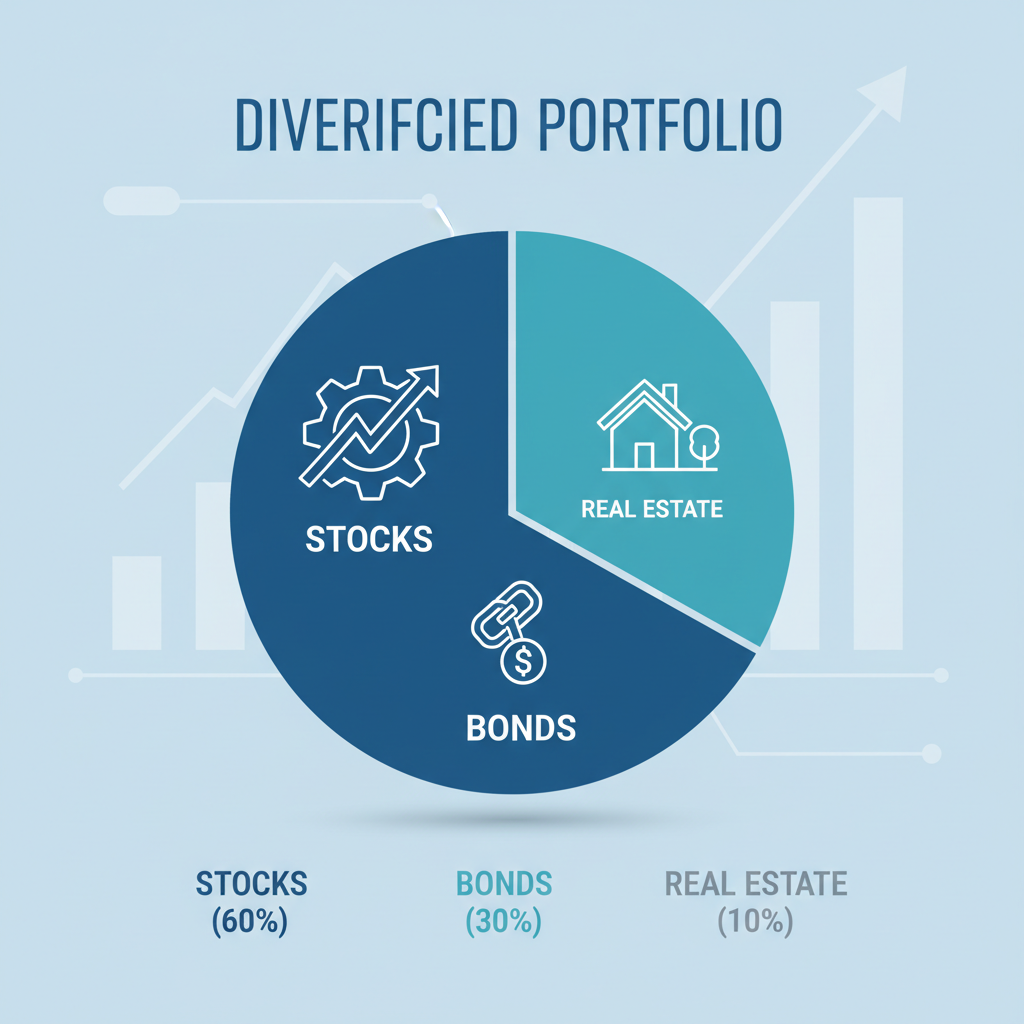
1. Diversify Your Investments
Don’t put all your eggs in one basket. This is the golden rule of investing. If you invest in a mix of different things—like index funds, bonds, and real estate—you are safer. If an AI glitch crashes one sector of the stock market, your other investments can help keep you afloat. Avoid dumping all your cash into trendy, “AI-managed” funds that promise impossible returns.
2. Stay Informed and Skeptical
You don’t need a PhD in math, but you should keep your eyes open. Read up on basic financial news. If a new app claims it uses “secret AI technology” to guarantee you get rich, run the other way. If it sounds too good to be true, it is. Developing a strongmoney mindset means thinking critically about where you put your cash.
3. Work with Trusted Advisors
Sometimes, you need a human touch. A financial advisor can help you navigate these complex times. They can explain which investments use risky strategies and help you choose safer options. Humans can understand your personal goals and fears in a way a computer never can.
4. Use Secure Platforms
Stick to well-known, reputable financial institutions for your banking and investing. They have better security measures to fight off AI hackers. Also, utilize technology to help you. Using solidbudgeting apps allows you to track every penny. If you see a weird charge, you’ll know immediately.
The Future of AI in Quant Finance
So, where is this all going? The future of quant finance with AI will likely be collaborative. Full automation replacing human oversight is not expected imminently, but AI will play a larger role.
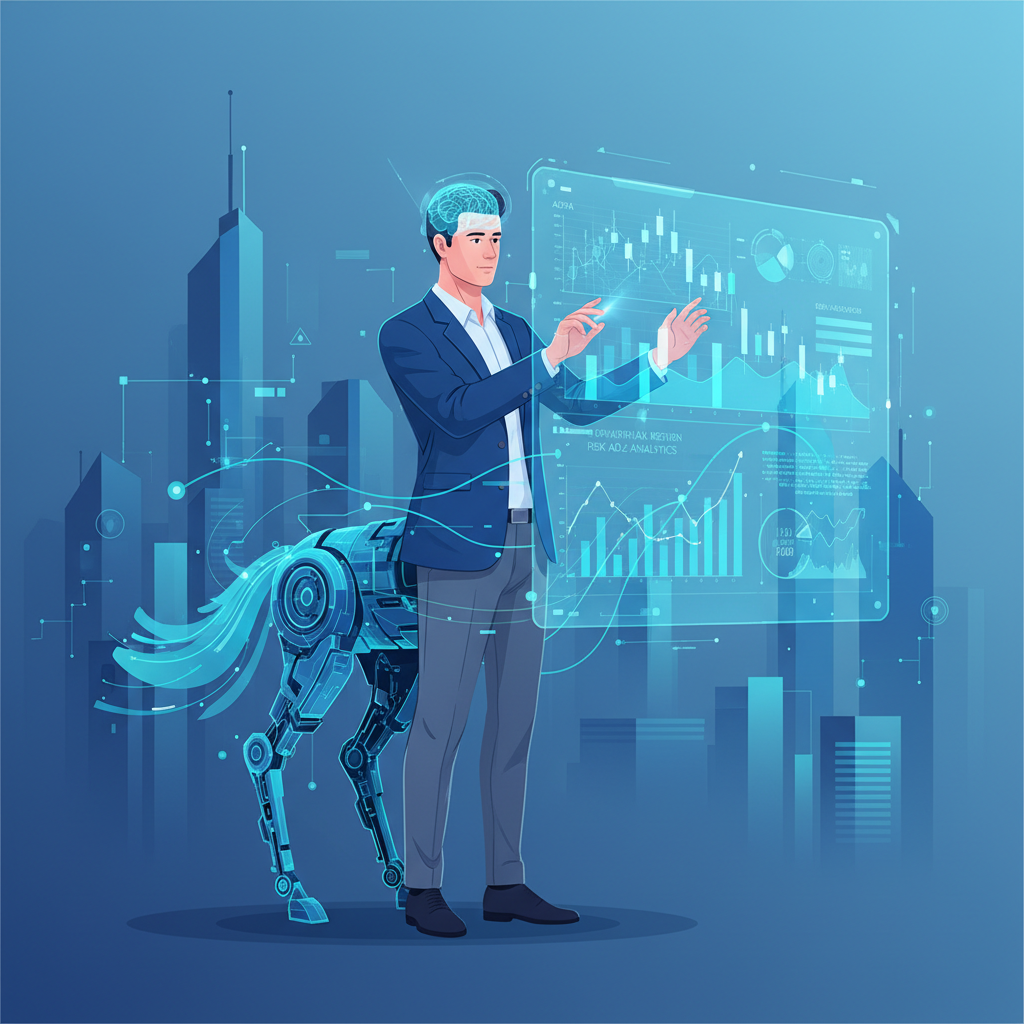
We will likely see “Centaur” models—half human, half machine. The AI will crunch the numbers and identify the opportunities, but a human will make the final call on the big decisions, acting as a safety check.
For individual investors, AI will likely make financial advice cheaper and more accessible. Robo-advisors will get smarter, offering personalized tax strategies that used to be available only to the ultra-rich.
However, the challenge remains: we must ensure these systems are ethical and fair. We need rules to prevent AI from manipulating markets or discriminating against certain groups of people. The future is exciting, but we need to proceed with caution.
Real Risks of AI in Quant Finance
While AI enhances financial modeling, there are realistic risks:
1. Model Risk
AI models can fail if market conditions change unexpectedly.
2. Data Dependency
If training data is flawed, predictions may be inaccurate.
3. Market Volatility Amplification
Automated trading systems reacting simultaneously may increase short-term volatility.
4. Regulatory Scrutiny
Governments are increasingly monitoring AI-driven financial systems to prevent systemic instability.
Regulators have publicly warned about the potential systemic risks of artificial intelligence in financial markets, as reported by Reuters, highlighting concerns about model opacity and interconnected market reactions.
These risks show that AI is not replacing quant finance — it is reshaping it.
Final Thoughts: Is Quant Finance Really at Risk?
Quant finance is not being eliminated by artificial intelligence — it is evolving.
AI tools enhance efficiency, improve pattern detection, and support faster analysis. However, the core principles of quantitative finance — mathematics, probability, and risk management — remain essential.
The future of quant finance is likely to involve collaboration between human expertise and advanced AI systems rather than full automation.
Understanding this balance is key for beginners exploring careers or investments in this space.
Frequently Asked Questions
Can AI completely replace quantitative analysts?
No. AI can automate data analysis, but human expertise is required for model design, interpretation, and risk governance.
Is AI trading safer than traditional quant models?
Not necessarily. AI systems introduce new types of risks, including data bias and model complexity.
Does AI make financial markets more unstable?
In some cases, automated systems reacting simultaneously may increase short-term volatility. However, regulatory oversight aims to manage these risks.
Should beginners worry about AI in finance?
For most individuals, AI integration into finance does not directly impact personal investing decisions. Long-term investment fundamentals remain unchanged.
What is the difference between AI and quant finance?
Quant finance uses math and statistics to analyze markets. AI is a technology that can be used in quant finance to make those analyses faster and smarter by learning from data on its own.
Sabir Abdirahman Mohamed is the founder of ThinkFixer and a personal finance and digital growth writer. He helps beginners learn how to save money, build online income streams, and grow blogs or businesses through practical SEO strategies. His content focuses on budgeting, smart money management, realistic ways to make money online, and step-by-step blogging guidance. His mission is to make financial and digital knowledge simple, actionable, and accessible for everyone.